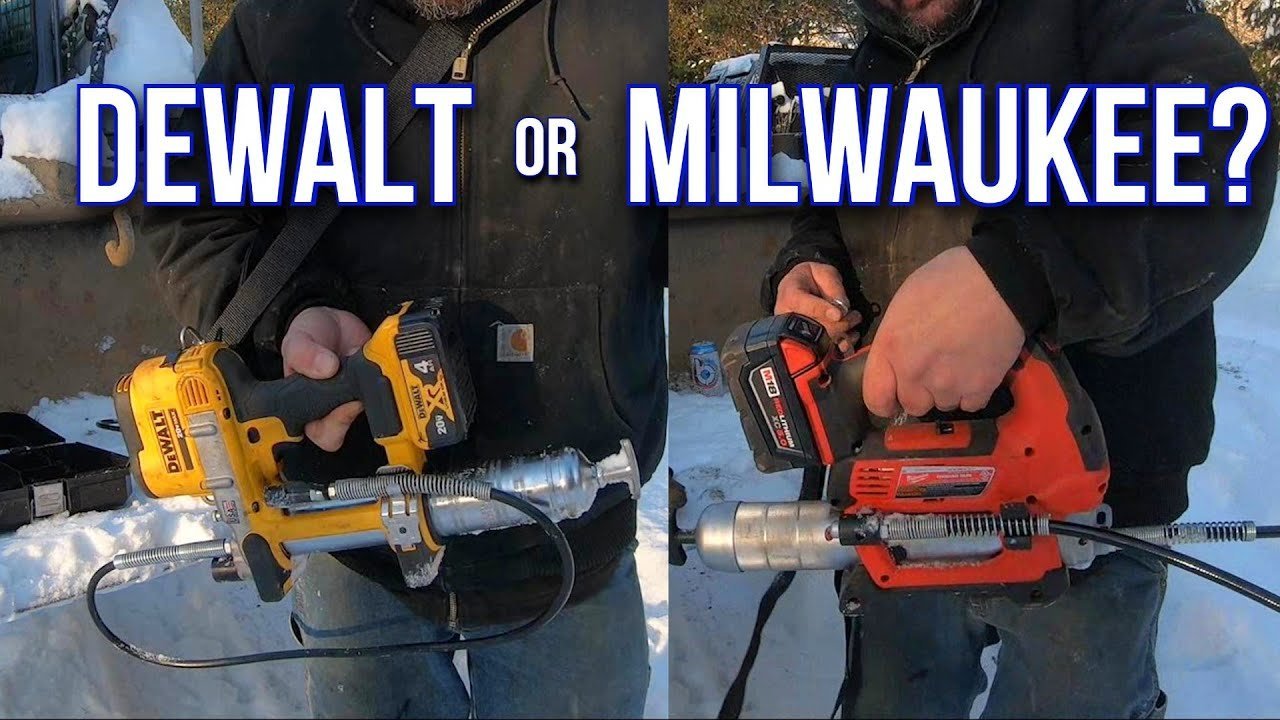
Choosing between a dewalt vs milwaukee grease gun requires looking past brand loyalty and examining the specific mechanical demands of your equipment maintenance routine. Both manufacturers produce high-performance cordless tools that eliminate the physical exhaustion associated with manual hand-pumped grease guns. A standard cordless grease gun typically costs between $180 and $350 for the tool-only version, while kits including batteries and a charger usually range from $280 to $550 depending on the bundle and current promotional offers.
Key Takeaways
- Choose a model based on your existing battery ecosystem to save on upfront costs.
- Check the maximum pressure rating, as some heavy-duty equipment requires over 8,000 PSI to clear clogged fittings.
- Verify the hose length and flexibility, as longer, reinforced hoses allow for easier access to recessed grease zerks.
- Prioritize tools with high-volume flow rates if you frequently service large machinery like excavators or agricultural tractors.
- Consider the weight of the tool, especially if you need to hold it in awkward positions for extended periods.
Understanding the Cordless Advantage
The primary goal of these tools is to deliver consistent, pressurized lubrication without the fatigue of manual pumping. Both brands utilize high-torque motors to drive a piston, forcing grease through a flexible hose and into the fitting. The mechanical efficiency of these units ensures that every stroke provides a metered amount of lubricant, which reduces waste and prevents over-greasing—a common cause of seal failure.
| Feature | DeWalt (DCGG571) | Milwaukee (2646-20) |
|---|---|---|
| Max Pressure | 10,000 PSI | 10,000 PSI |
| Flow Rate | 5 oz/min | 10 oz/min |
| Hose Length | 42 inches | 48 inches |
| Weight (Tool Only) | 8.8 lbs | 7.2 lbs |
Comparing DeWalt vs Milwaukee Grease Gun Performance
When evaluating a dewalt vs milwaukee grease gun, the most significant difference often lies in the discharge rate and ergonomics. DeWalt’s 20V Max system is widely regarded for its robust build quality, which stands up to the harsh conditions of construction sites and heavy-duty shop environments. The DeWalt unit features a variable speed trigger that allows the user to control the flow precisely, which is essential for delicate bearings that might blow a seal if hit with full pressure instantly.
Milwaukee’s M18 series, by contrast, is frequently cited for its superior flow rate and slightly more compact form factor. The M18 system is part of a massive platform, meaning you can swap the battery from your drill or impact driver into the grease gun without a second thought. If you’re already invested in Milwaukee’s red battery line, the integration is seamless and cost-effective.
Which Tool Has Higher Pressure?
Both flagship models from these manufacturers are rated for a maximum operating pressure of 10,000 PSI. This is the industry standard for clearing stubborn, hardened grease in neglected zerks. However, reaching that pressure consistently depends on the battery voltage and the condition of the grease coupler. If you find that your tool is struggling to reach maximum pressure, ensure that your battery is fully charged and that the coupler isn’t worn or leaking internally.
Why Does Flow Rate Matter?
Flow rate determines how quickly you can complete a lubrication cycle. In fleet maintenance or agricultural settings, you might have hundreds of zerks to service in a single day. A tool that pushes 10 ounces per minute, such as the Milwaukee M18, can cut your maintenance time significantly compared to a tool pushing 5 ounces per minute. This time-saving capability is a major factor for professional technicians who are billed by the hour or need to maximize equipment uptime.
Evaluating Battery Ecosystems
The decision often comes down to which battery platform you already own. Batteries represent a significant portion of the total cost of ownership. If you own a fleet of DeWalt 20V tools, purchasing a Milwaukee grease gun would require an entirely new set of batteries and chargers, effectively doubling your initial investment. Stick to the brand that matches your current power tool inventory to streamline your charging stations and minimize clutter in your service truck.
Ergonomics and Maneuverability
Working in cramped engine bays or underneath heavy equipment requires a tool that’s easy to handle. Milwaukee’s design is generally lighter, which reduces operator strain during long days. DeWalt’s design, while slightly heavier, often feels more balanced in the hand, which can help with stability when you’re trying to attach the coupler to a difficult-to-reach fitting.
Always check the hose flexibility and length; a longer hose is almost always preferable in real-world scenarios where the grease fitting is recessed deep within a frame or assembly.
Troubleshooting Common Grease Gun Issues
Even the best cordless grease guns will encounter issues over time. Most problems relate to air pockets or debris.
- Air Locks: This is the most common issue. If the motor is running but no grease is coming out, you have air in the line. Follow the manufacturer’s instructions for bleeding the system.
- Clogged Zerks: If the gun hits 10,000 PSI but nothing goes in, the zerk fitting is likely clogged. Remove the fitting, clean it, or replace it.
- Coupler Leakage: A worn coupler will spray grease everywhere except into the fitting. Replace the rubber seal inside the coupler or the entire coupler assembly.
- Battery Failure: Lithium-ion batteries can fail if left in extreme temperatures. Always store your packs in a climate-controlled environment to extend their lifespan.
Warning: Never attempt to clear a blocked grease fitting by pointing the nozzle at your skin. The high pressure can inject grease into the bloodstream, which is a medical emergency requiring immediate professional treatment.
Maintenance and Care Tips
To ensure your tool lasts for years, you must keep the internal components clean and free of contaminants. Grease is a magnet for dirt and metal shavings. Before inserting a new cartridge, wipe the exterior of the canister to prevent debris from entering the pump mechanism. Furthermore, always purge the tool of air whenever you change a cartridge. This simple step prevents the pump from running dry, which can cause premature wear on the motor and piston.
| Maintenance Task | Frequency | Action |
|---|---|---|
| Inspect Hose | Monthly | Check for cracks or bulges |
| Clean Coupler | Every use | Wipe off excess grease and grit |
| Bleed Air | Every cartridge | Use the integrated air bleed valve |
| Battery Terminal Check | Quarterly | Clean with a dry, non-conductive brush |
Are These Tools Worth the Cost?
For the average homeowner with a single lawnmower, a manual grease gun is usually sufficient. However, for anyone maintaining multiple pieces of power equipment, UTVs, or commercial machinery, a cordless grease gun is an essential investment. The Occupational Safety and Health Administration emphasizes the importance of proper equipment maintenance to prevent mechanical failure and ensure workplace safety. By automating the lubrication process, you reduce the likelihood of skipping zerks, which directly translates to longer component life and fewer emergency repairs.
How to Choose the Right Model
Start by auditing your equipment. Do you have specialized fittings that require high-pressure bursts, or do you have high-volume requirements? Once you define your needs, compare the specific models available from DeWalt and Milwaukee. Look at the weight, the hose length, and most importantly, whether the tool includes a shoulder strap or a stable base for standing the tool upright. A tool that can stand on its own is much easier to manage when you’re working alone in the field.
Pro Tip: If you’re working in cold environments, keep your batteries inside the cab of your truck or in a warm pocket. Lithium-ion batteries lose significant capacity and discharge power when subjected to freezing temperatures, which can make your grease gun feel sluggish or underpowered.
Frequently Asked Questions
Can I use any brand of grease cartridge in these guns?
Yes, both DeWalt and Milwaukee grease guns are designed to accept standard 14-ounce grease cartridges. Whether you use synthetic, moly, or standard lithium grease, the mechanical cartridge system remains universal across the industry. Just ensure that the cartridge is seated correctly and the plunger rod is fully engaged to prevent air gaps during operation.
How do I fix a grease gun that has an air lock?
An air lock occurs when a pocket of air prevents grease from reaching the pump. Most models feature an air-bleed valve near the head of the unit. Open this valve while operating the trigger to allow the trapped air to escape. If the problem persists, pull the plunger rod back, unscrew the canister slightly to release pressure, and then re-seat it firmly before pumping.
Are these tools waterproof?
While these tools are built for rugged environments, they aren’t waterproof or submersible. The electronics, motor, and battery contacts can be damaged by water intrusion. If you’re working in rain or muddy conditions, keep the tool covered or store it in a dry compartment of your service vehicle. Always wipe the tool down after use to prevent moisture buildup inside the battery housing.
Does the battery brand matter for performance?
Yes, the performance of the grease gun is directly tied to the health and voltage of the battery. Using an older or partially depleted battery will result in slower flow rates and less consistent pressure. Always use high-capacity batteries (often marked as 4.0Ah or higher) to ensure the motor has enough current to handle the high-pressure cycles required for clearing stubborn fittings.
How often should I lubricate my grease gun?
The tool itself doesn’t require internal lubrication in the way a manual machine might, but you should keep the threads of the canister and the plunger rod clean. A light coating of silicone lubricant on the plunger rod gasket can help it slide more smoothly inside the canister, ensuring that all the grease is pushed through the pump without leaving a residue behind.
Conclusion
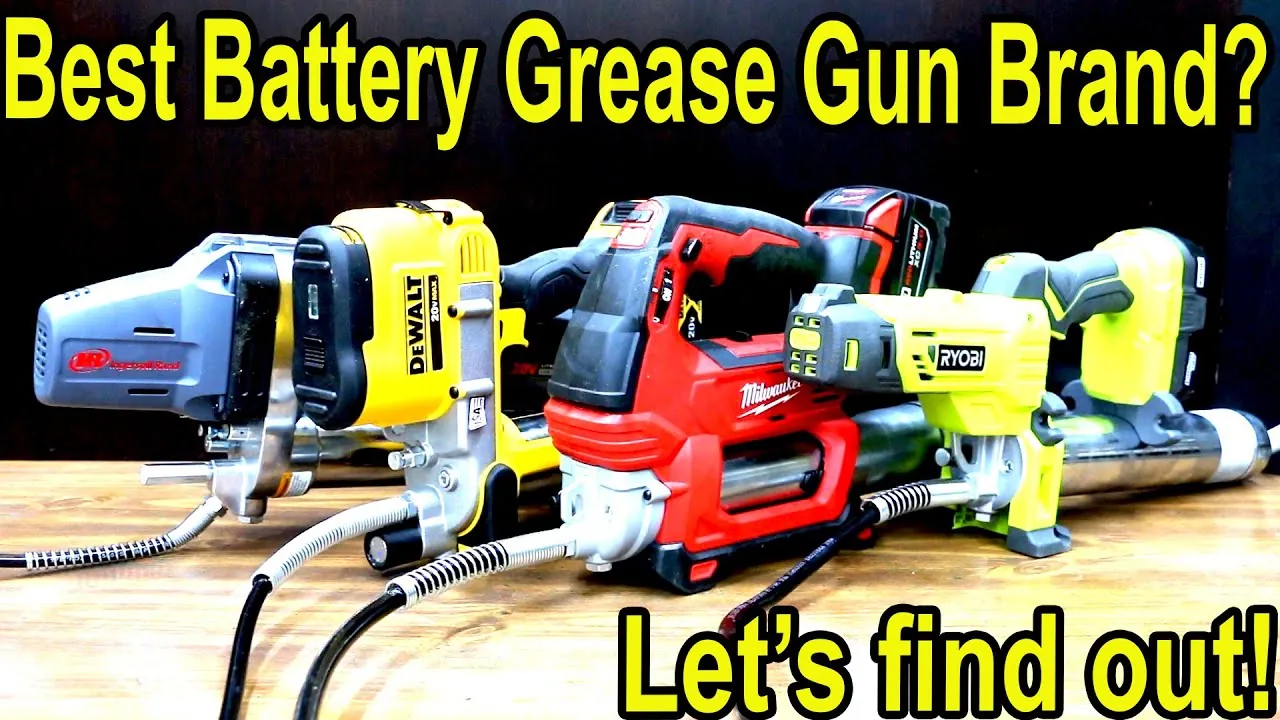
Choosing between these two powerhouses comes down to your existing infrastructure and the specific volume requirements of your shop. If you already own one brand’s batteries, the choice is effectively made for you. If you’re starting fresh, prioritize the Milwaukee if you need higher flow rates for large machinery, or the DeWalt if you prefer a balanced, heavy-duty feel for general maintenance tasks. Evaluate your specific zerks, keep your batteries charged, and maintain your equipment to ensure long-term reliability.