
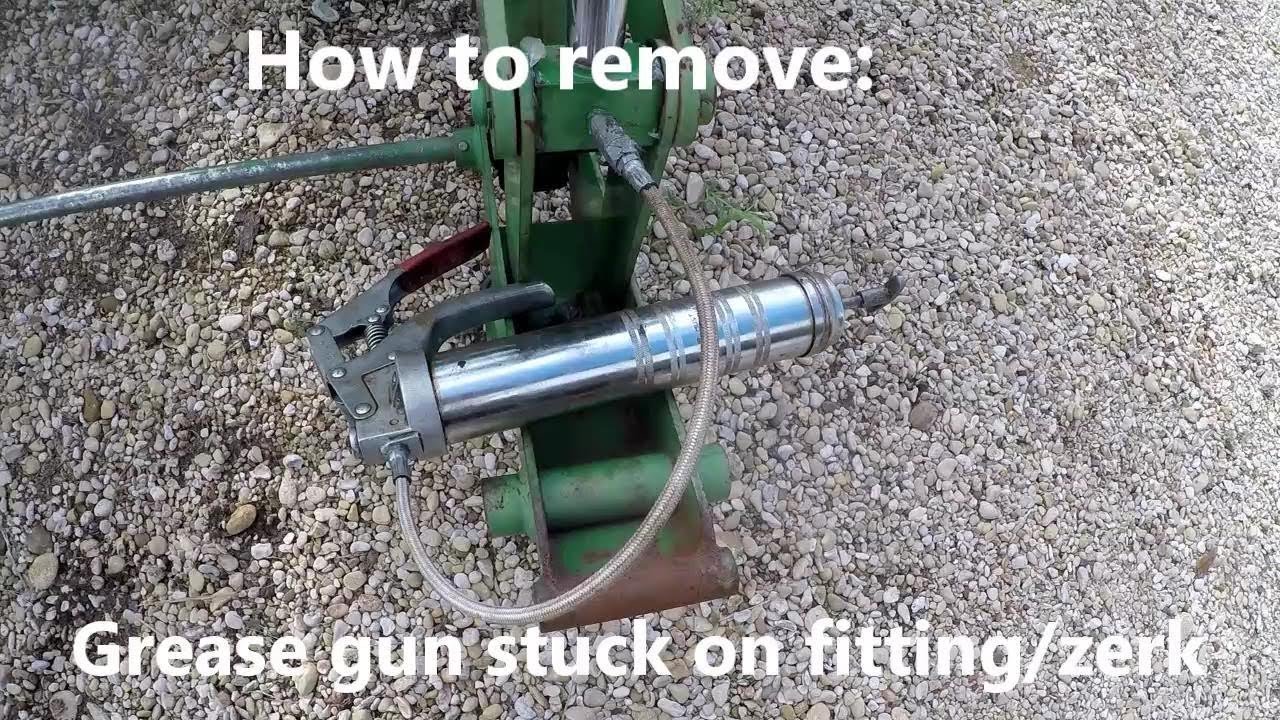
You can release a grease gun from a zerk by slightly tilting the coupler to the side rather than pulling straight back. This movement breaks the seal created by the internal jaws, allowing the nozzle to release without force. Pressure buildup in the hose often keeps the jaws clamped tightly.
Why grease guns get stuck on zerks
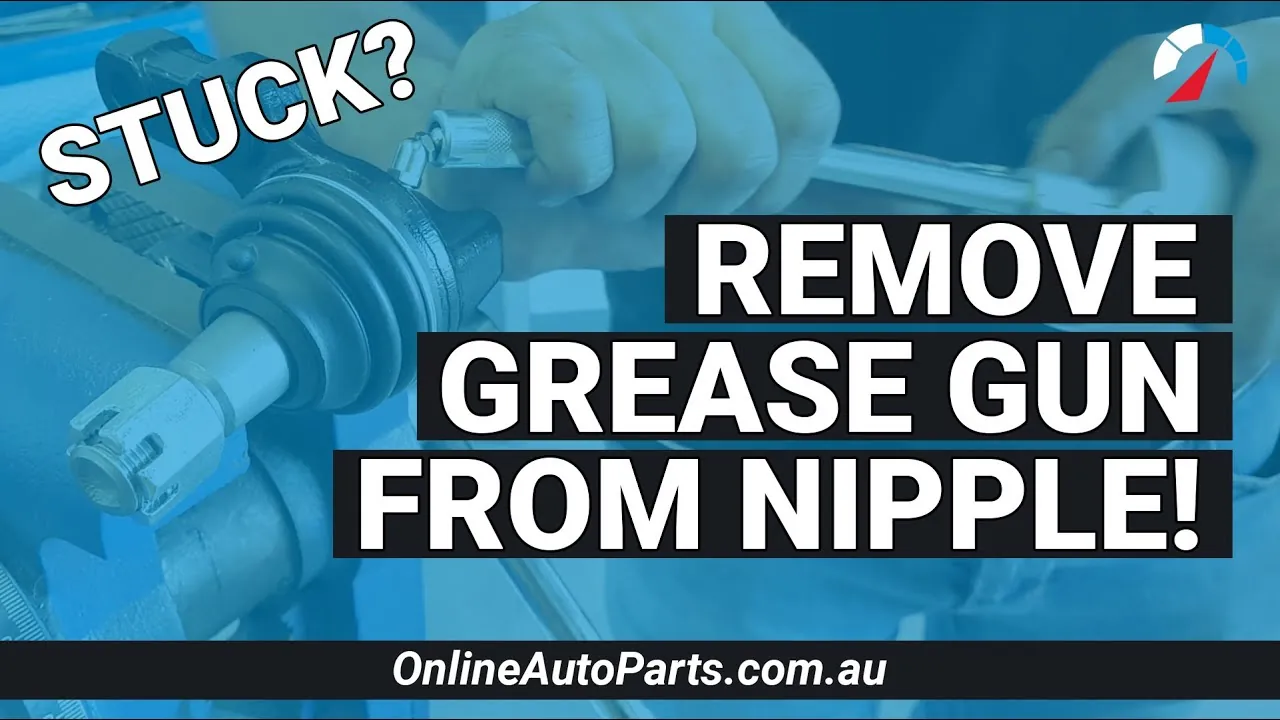
The main reason your tool remains attached is the hydraulic pressure trapped inside the hose. When you finish pumping grease, the internal check ball of the zerk fitting closes to prevent grease from escaping. This pressure keeps the internal jaws inside the nozzle locked onto the head of the fitting. If you try to pull the hose straight off, you’re fighting against that mechanical lock.
Never yank the hose directly away from the zerk. Instead, tilt the coupler at a sharp angle to break the seal. This shifting motion forces the internal jaws to slide off the rounded head, instantly venting the trapped pressure. If you pull straight, you simply drive the jaws deeper into the locking groove, which can snap the zerk fitting off entirely.
Another common factor is the condition of the fitting itself. If the zerk is old, rusted, or damaged, the coupler may catch on the uneven surface. You might also be dealing with a coupler that has been overtightened onto the hose, which restricts the movement of the internal sleeve.
If you notice the coupler is consistently difficult to remove, check if the zerk fitting is damaged or clogged. A damaged fitting head will never release smoothly, no matter how much you tilt the tool. If the coupler resists even after you tilt it, don’t force it. Inspect the zerk for debris or deformation. You must replace the fitting in these cases to avoid further frustration and potential damage to your grease gun’s internal seals.
Tilt the coupler to release the seal
This method is for anyone using a standard manual or pneumatic grease gun with a common jaw-type coupler. To start, keep the coupler pressed firmly against the zerk fitting while you wiggle it in a circular motion. Once you feel a slight looseness, tilt the handle of the grease gun to one side at an angle of about 15 to 20 degrees. This angle forces the internal jaws to expand, which releases their grip on the fitting’s shoulder.
If it still refuses to budge, apply a tiny bit of pressure back onto the fitting before you tilt again. This small forward movement often relieves the internal pressure enough to let the jaws slide off. If you’re using a high-pressure pneumatic gun, stop pumping for at least five seconds before you attempt this release.
Most users fail by pulling straight back, which only tightens the jaws against the fitting. If the coupler remains locked, check if the zerk fitting itself is damaged or flattened. If the head of the fitting is deformed, no amount of tilting will release the seal. In that case, use a small flat-head screwdriver to gently pry the coupler edge away from the fitting base.
This technique isn’t for quick-release couplers, which have a thumb-lever design; those require you to press the lever down to open the jaws. If you’re using a heavy-duty coupler on a high-pressure system, you may need to use both hands to ensure you’re tilting the tool evenly. If you find yourself needing excessive force, stop immediately, as you risk snapping the zerk fitting off inside the machine housing.
Use a swivel adapter for better access
If you often struggle to reach fittings in tight spaces, installing a swivel adapter is your best fix. A swivel allows the coupler to rotate 360 degrees, which gives you the freedom to find the perfect angle for removal. You simply screw the adapter between the end of your hose and the coupler. This creates a flexible joint that makes it much easier to tilt the nozzle without bending the hose.
This fix is ideal for equipment with many grease points located in cramped or awkward areas. It isn’t for systems where the hose is already rigid or fixed to a hard pipe, as adding a swivel could cause a leak if the connections aren’t tightened properly. You should use a small amount of thread sealant on the adapter threads to ensure a tight, leak-free seal.
Once you install the swivel, you’ll notice that the coupler no longer binds as you move the gun. If the coupler still feels stuck, the issue is likely the internal jaw tension. In that case, you should check the manufacturer’s manual for your specific grease gun to see if the jaws can be adjusted. If the jaws are worn down, replace the coupler head entirely rather than trying to force it off the fitting.
Adjust the jaw tension on your coupler
For older or lower-quality couplers, the internal jaws may be set too tight from the factory. You can adjust this by loosening the outer sleeve of the coupler slightly. Use a wrench to hold the body of the coupler and another to turn the sleeve counter-clockwise by about a quarter-turn. This small change provides more room for the jaws to expand when you tilt the tool.
This fix is for people who have already tried the tilting method without success. It isn’t for people who are unsure about using mechanical tools, as loosening the sleeve too much will cause grease to leak out the back of the coupler during use. If you loosen the sleeve and grease begins to spray out when you pump, turn the sleeve clockwise until it’s just snug enough to hold pressure.
If you have adjusted the sleeve and the coupler still stays stuck, the internal spring may be too stiff. In this scenario, it’s often cheaper and safer to purchase a high-quality, locking-style coupler. These modern units feature a thumb-operated lever that mechanically opens the jaws, completely eliminating the struggle of pulling the gun off the zerk. Always ensure your replacement coupler is rated for the maximum pressure output of your grease gun to prevent dangerous hose bursts.
Common mistakes to avoid
Pulling straight back forces the locking jaws to bite deeper into the fitting head. This creates a mechanical lock that requires destructive force to break. Instead, tilt the coupler at a slight angle to release the tension before pulling away.
Using pliers to twist the coupler often crushes the housing or snaps the zerk fitting entirely. A sheared fitting requires drilling and extraction, turning a two-minute maintenance task into an hour of shop work. If the coupler feels stuck, apply a light coat of penetrating oil and wiggle it gently rather than applying torque.
Ignoring trapped pressure keeps the internal spring compressed against the fitting. If you can’t disconnect the coupler, crack the bleeder valve on the grease gun first.
Finally, never bend the rubber hose at a radius tighter than three inches. Sharp kinks cause internal cord fatigue, which leads to high-pressure blowouts that can inject grease beneath your skin.
How to prevent future sticking
| If you’re doing this | Do this instead | Why |
|---|---|---|
| Pumping until the gun stops | Stop when the seal bulges | Prevents extreme back-pressure |
| Pulling the hose to release | Tilt the coupler sideways | Breaks the jaw lock gently |
| Using a worn coupler | Replace with a lever-lock | Provides a secure, easy release |
| Forcing a stuck nozzle | Clean the fitting first | Dirt prevents a clean connection |
If you feel significant resistance, stop immediately. Forcing the connection often deforms the internal ball bearings, turning a simple maintenance task into a permanent mechanical failure.
This creates a moisture barrier that prevents the oxidation that causes most seizing. Grease thickens in the cold, which actually promotes sticking rather than preventing it.
If the coupler feels loose or rattles when shaken, the internal jaws are likely misaligned. Replacing an inexpensive coupler now saves you the cost of replacing a damaged grease fitting later. When in doubt, prioritize a clean surface over a tight seal.
Frequently asked questions
Can I use a screwdriver to pry the coupler off?
No, never use a screwdriver to pry the coupler off a zerk. This action scratches the fitting or cracks the steel jaws, preventing the coupler from holding grease correctly. If the coupler remains stuck, apply penetrating oil and wait before trying the tilt method again.
How long should I wait for pressure to drop?
You should wait 5 to 10 seconds after your last pump to let the internal pressure drop. This assumes you’re using a standard manual grease gun at room temperature. If you’re working in very cold weather, the grease will be thicker and may take up to 20 seconds to equalize. If the coupler remains stuck after this time, the issue is mechanical and not related to the internal pressure.
Is it safe to leave the coupler on the fitting?
No, it isn’t safe to leave the coupler attached to the fitting for storage or transport. Vibration from the machine can put stress on the grease hose and the fitting, leading to premature metal fatigue. You should always disconnect the coupler after every lubrication task. Leaving it attached also exposes the open end of the coupler to dirt and debris, which will contaminate your next grease application.
Why does my grease gun leak when I pump?
Your grease gun leaks because the coupler isn’t fully seated or the internal rubber seal is worn. Ensure the coupler is pushed straight onto the fitting until it clicks. If it still leaks, the internal rubber washer has likely hardened or cracked and needs replacement.
What happens if I break the zerk off?
If you break the zerk fitting off, the threaded base remains inside the machine housing. You’ll need a specialized tool called a screw extractor to remove the remaining metal without damaging the threads of the hole. If you aren’t comfortable using an extractor, take the equipment to a professional mechanic. Leaving a broken fitting in place prevents future lubrication and can lead to severe bearing failure over time.
Conclusion
Regularly cleaning your zerk fittings with a dry cloth before you attach the grease gun prevents dirt from getting pushed into your bearings. This simple habit ensures a smooth connection and makes it much easier to release the coupler when you’re finished.