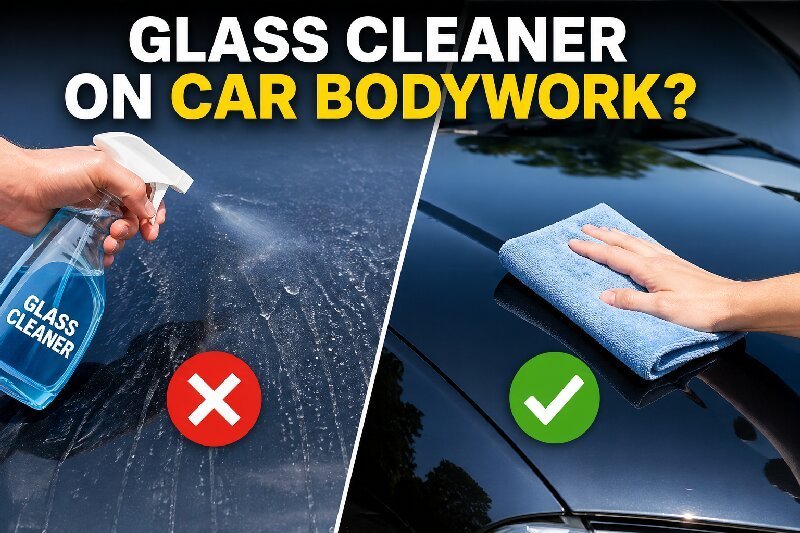
No, you shouldn’t use standard household glass cleaner on your car’s exterior paint, as these products are formulated with chemicals that can strip protective layers and cause long-term damage to the finish. While it might seem like a quick way to remove a bird dropping or a stubborn smudge, the ingredients typically found in window cleaners are far too aggressive for automotive clear coats. Professional detailing requires specific chemistry designed to balance cleaning power with the preservation of waxes, sealants, and ceramic coatings. Using the wrong solvent on your vehicle’s paintwork can lead to dulling, oxidation, and an increased risk of microscopic scratches, which ultimately diminishes the resale value and aesthetic appeal of your car.
Key Takeaways
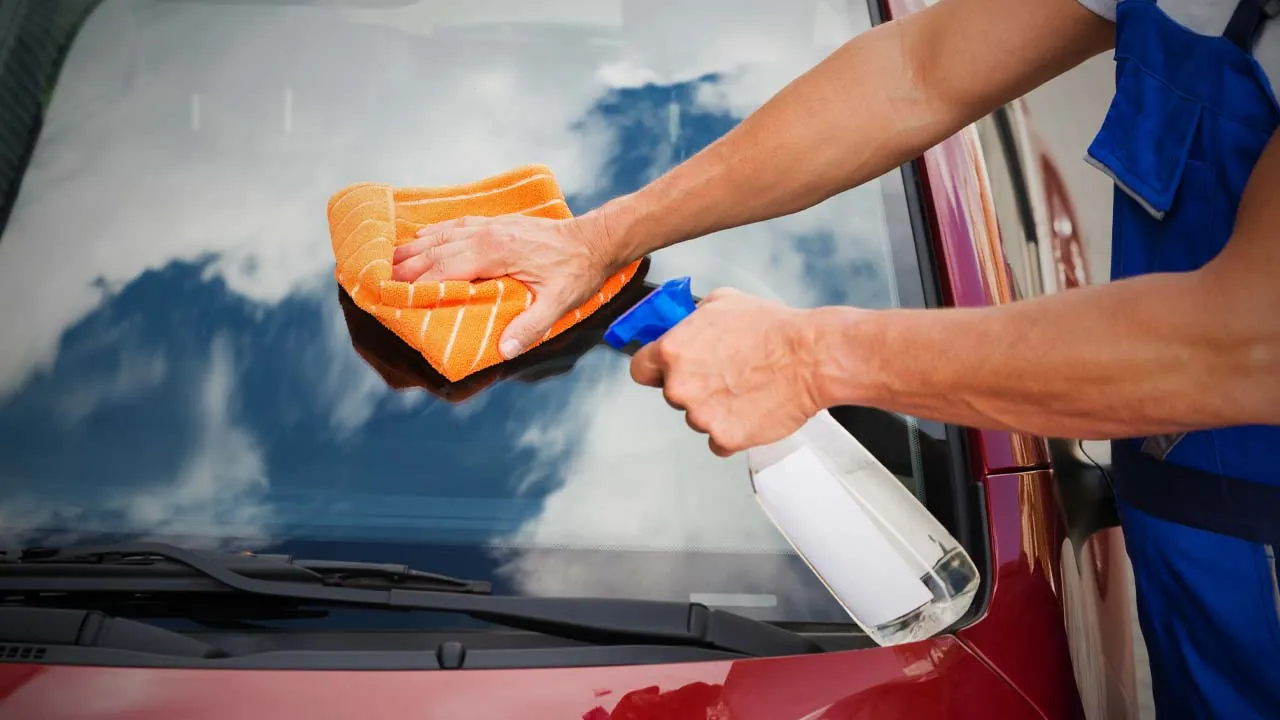
- Avoid household glass cleaners, as they often contain ammonia or alcohol that degrade automotive wax and sealants.
- Stick to dedicated automotive quick detailers or pH-neutral car soaps to safely lift surface contaminants.
- Always use clean, high-quality microfiber towels to prevent swirl marks during the cleaning process.
- Spot cleaning should be performed in the shade to prevent liquids from drying prematurely and leaving water spots.
- Regular maintenance, such as washing and waxing, is the most effective way to keep paint protected without needing harsh solvents.
Can You Use Glass Cleaner on Car Paint?
The short answer is a definitive no. While your windshield and windows are made of glass and can withstand the harsh solvents found in household cleaners, your car’s body panels are covered in a multi-layer system consisting of primer, base coat, and a clear coat. This clear coat is a resin-based layer meant to protect the color underneath from ultraviolet rays, road salt, and environmental pollutants.
Household glass cleaners often contain ammonia, which is a powerful degreaser that effectively cuts through grime on windows but acts as a solvent for automotive waxes and synthetic paint sealants. Once your protective layer is stripped away, the clear coat is left exposed to the elements, making it susceptible to etching, fading, and oxidation. Furthermore, some glass cleaners contain abrasive additives meant to polish glass; these can create fine scratches, commonly known as swirl marks, when wiped across delicate automotive paint.
Chemical Hazards to Your Clear Coat
Understanding the chemistry of your vehicle’s surface is essential for proper maintenance. Automotive paint is designed to be hydrophobic, meaning it repels water and prevents contaminants from bonding to the surface. When you apply a cleaner designed for household windows, you’re essentially introducing a chemical agent that’s incompatible with automotive resins.
- Ammonia: This compound is frequently found in glass cleaners because it dries quickly without leaving streaks on silica-based glass. However, it’s highly reactive with organic waxes and synthetic polymers used to protect car paint.
- Isopropyl Alcohol: Many glass cleaners use high concentrations of alcohol to ensure a rapid evaporation rate. Alcohol is a common ingredient in paint prep sprays used by detailers to remove all old wax before a new application. If you use it for routine cleaning, you’re prematurely removing the protection you spent time and money applying.
- Surfactants: The surfactants in household cleaners are often too high in pH, making them alkaline. High-alkaline products can etch the surface of the clear coat over time, leading to a hazy, cloudy appearance that requires professional machine polishing to correct.
Safe Alternatives for Spot Cleaning
If you encounter a spot on your paint that needs immediate attention, you have several safer options that won’t compromise the integrity of your finish. These products are engineered specifically for the unique demands of automotive surfaces and are safe for use on all paint types, including metallic, pearlescent, and matte finishes.
| Product Type | Primary Function | Safety Profile |
|---|---|---|
| Quick Detailer | Light dust and smudge removal | High (preserves wax) |
| Waterless Wash | Heavy dust and light dirt | High (lubricates surface) |
| pH-Neutral Soap | General washing and grime | Very High (non-abrasive) |
| Clay Lubricant | Prep for decontamination | High (non-reactive) |
When choosing a product, look for labels that explicitly state “clear coat safe” or “wax safe.” These formulas utilize lubricants that lift dirt particles away from the paint surface, allowing them to be wiped away without dragging the grit across the clear coat.
Why Microfiber Towels Matter
The tool you use to apply your cleaning product is just as important as the chemical itself. Even if you use the safest automotive cleaner, using an old rag or a paper towel can cause significant harm. Paper towels are essentially made of wood pulp and have a texture that acts like fine-grit sandpaper when rubbed against a clear coat.
Always use high-quality microfiber towels with a high GSM (grams per square meter) count. These towels are designed to trap dust and dirt particles within their fibers, lifting them away from the paint rather than pushing them around. When cleaning a spot, use a gentle dabbing motion to lift the debris, followed by a light wipe. Avoid applying heavy pressure, as this increases the likelihood of creating deep scratches.
The Role of Paint Protection
Your car’s paint protection—whether it’s a traditional carnauba wax, a synthetic sealant, or a high-end ceramic coating—serves as the primary barrier against environmental damage. It’s a National Highway Traffic Safety Administration recognized fact that proper maintenance and regular cleaning extend the life and safety of vehicle components. When you use an improper cleaner like a window spray, you’re bypassing this barrier and attacking the paint directly.
Maintaining a strong layer of protection makes the cleaning process much easier because dirt and grime can’t bond to the surface. If you accidentally use a harsh cleaner, you must immediately wash the area with a pH-neutral automotive soap and reapply your preferred wax or sealant to restore the sacrificial barrier. If you notice the water no longer beads on the surface after cleaning, it’s a clear indicator that your protective layer has been compromised.
Step-by-Step Spot Cleaning Method
If you find a bird dropping, tree sap, or bug splatter on your hood, follow this professional procedure to ensure the paint remains pristine. Never attempt to wipe these off while they’re dry, as the debris can be abrasive.
- Soak the area: Use a dedicated automotive quick detailer spray to saturate the contaminant. This softens the debris and provides the necessary lubrication.
- Wait: Let the product dwell for 30 to 60 seconds. This allows the chemicals to break the bond between the debris and the paint.
- Lift: Use a clean, folded microfiber towel to gently lift the softened material. Don’t rub in circles; instead, lift upward or use a single, light swipe.
- Inspect: Check the area for any remaining residue. If necessary, repeat the process.
- Re-protect: Once the area is clean and dry, apply a small amount of quick wax or spray sealant to the spot to ensure the local area is protected again.
Understanding pH Levels in Cleaners
The pH scale measures how acidic or alkaline a substance is, ranging from 0 to 14. Neutral is 7. Most automotive paint is best cared for using products that sit near this neutral mark. Household glass cleaners often lean toward the alkaline side to cut through grease, but this high alkalinity is detrimental to the chemical structure of your clear coat.
- Acidic Cleaners (pH 1-6): Used for removing water spots and mineral deposits. These must be used with extreme caution.
- Neutral Cleaners (pH 7): The safest choice for routine maintenance and touch-ups.
- Alkaline Cleaners (pH 8-14): Used for heavy-duty degreasing and stripping old wax. These should never be used for casual spot cleaning.
Troubleshooting Common Paint Issues
If you have already used glass cleaner on your paint and are worried about the results, look for these common signs of damage. If the paint feels “grabby” or rough to the touch after washing, you have likely stripped all the protection away.
- Hazing: If you see a cloudy or milky film on the paint, this is often a sign of chemical etching.
- Water Spotting: If the paint has lost its ability to shed water, minerals from rain or tap water will bond to the paint much faster.
- Swirl Marks: If you see cobweb-like scratches under direct sunlight, you have likely used an abrasive cloth or an improper cleaning technique.
If these issues are present, you may need to perform a decontamination wash using an iron remover, followed by a clay bar treatment to remove embedded contaminants, and finally a light polish to restore the gloss before re-applying a high-quality sealant.
Frequently Asked Questions
Is it safe to use glass cleaner on my car’s interior trim?
No, it isn’t recommended. Most interior surfaces, such as leather, vinyl, and plastic, can be damaged by the harsh solvents in glass cleaner. These chemicals can cause plastics to crack, leather to dry out and lose its natural oils, and protective coatings on infotainment screens to degrade. Always use products specifically designed for automotive interiors to ensure surfaces remain supple and protected from UV damage.
Can I use vinegar-based cleaners on my car paint?
While some people suggest vinegar for removing water spots, it’s highly acidic and can damage your clear coat if left on too long. Acetic acid is strong enough to etch automotive finishes. If you must use vinegar to remove stubborn mineral deposits, it should be heavily diluted, applied only to the affected spot, and rinsed off immediately with plenty of water.
How often should I wax my car to protect the paint?
The frequency depends on your climate and the type of product used. Generally, traditional carnauba waxes should be reapplied every 2 to 3 months. Synthetic sealants can last 4 to 6 months. Ceramic coatings, when properly maintained, can last anywhere from 1 to 5 years. Regular washing and the use of “booster” spray waxes after each wash will help extend the life of your primary protection layer.
What is the best way to remove bird droppings?
The best method is to remove them as soon as possible. Use a dedicated quick detailer spray or a waterless wash product to soak the dropping, allowing it to soften for a minute. Gently lift the material away with a clean microfiber towel. If the dropping has already hardened or etched the paint, don’t scrub it, as you’ll likely scratch the clear coat.
Are there any household items that are safe for car paint?
Very few. Most household cleaning agents, including dish soap, are too harsh for automotive paint. Dish soap is designed to strip grease from pots and pans, which means it will also strip the protective oils and polymers from your car’s finish. Stick to pH-neutral car wash shampoos and dedicated automotive detailing products to keep your vehicle looking its best and to prevent long-term damage.
Conclusion
To maintain the longevity of your vehicle’s finish, prioritize the use of automotive-specific cleaning solutions that are pH-neutral and free from harsh solvents like ammonia. Always keep a high-quality microfiber towel and a bottle of quick detailer in your trunk for safe, immediate spot cleaning. By avoiding household products, you protect your clear coat and keep your car looking showroom-new for years to come.