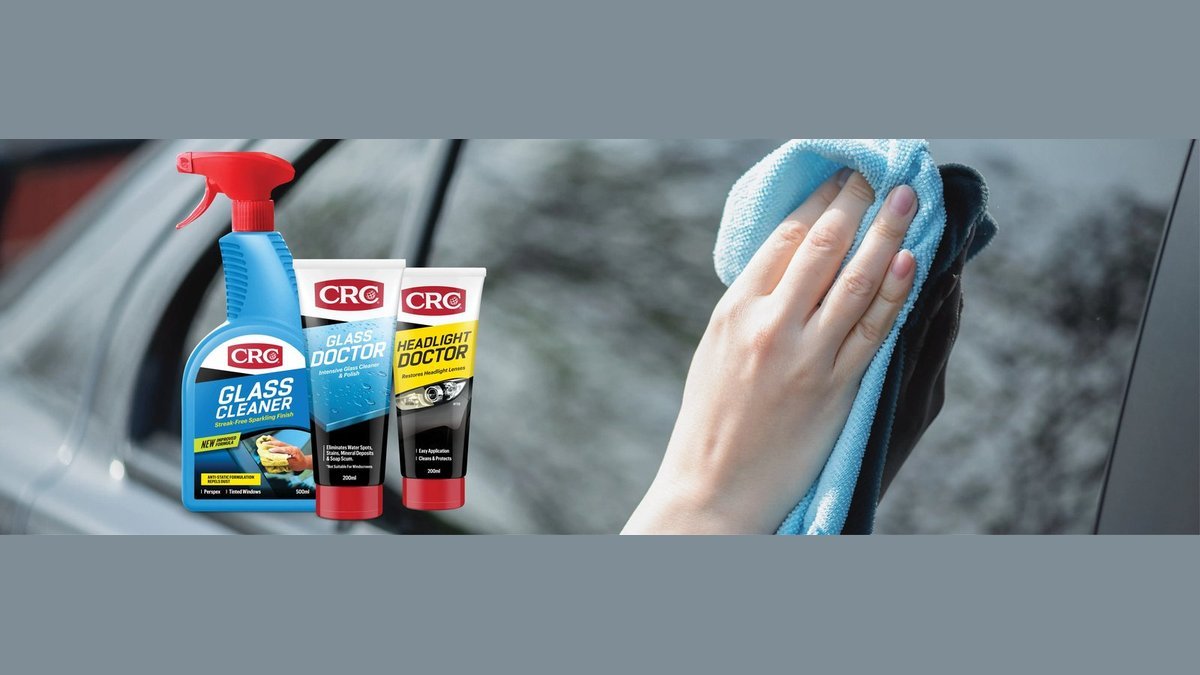
You should avoid using standard household glass cleaners on your vehicle because many contain ammonia, which can damage specialized automotive materials. While these household products are excellent for mirrors and windows inside your home, the unique environment of a car—specifically the presence of tinted films, plastic trim, and leather surfaces—makes them a risky choice for your vehicle’s glass. Using the wrong chemicals can lead to permanent discoloration, hazing, or the premature degradation of expensive aftermarket window tint.
Key Takeaways
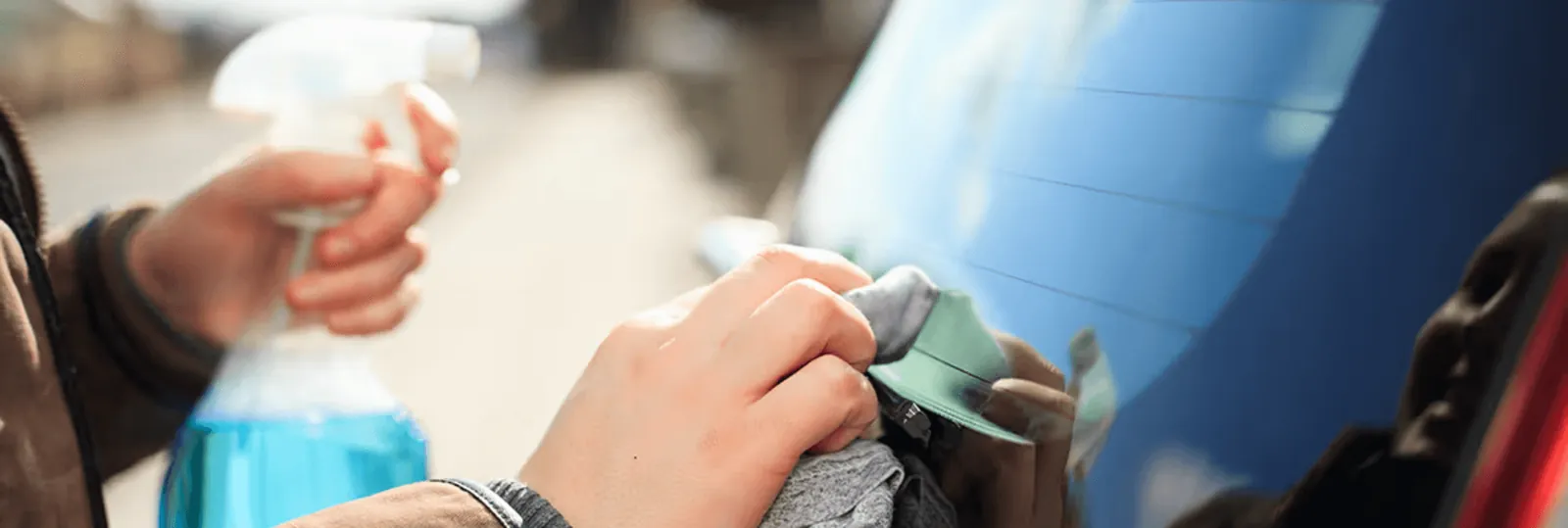
- Check your label for ammonia content; if it’s present, keep the bottle away from your vehicle’s interior glass.
- Automotive-specific cleaners are formulated to be safe for aftermarket window tints and delicate cabin plastics.
- Always use a clean microfiber towel to prevent scratching the glass surface during the cleaning process.
- Clean your windows in the shade to prevent the solution from drying too quickly and leaving stubborn streaks.
- Never spray cleaner directly onto the dashboard or infotainment screens to avoid potential electrical damage or spotting.
Can You Use Regular Glass Cleaner?
The short answer is that while regular glass cleaner might effectively remove dirt from the exterior glass, it poses a significant threat to the interior. Most household glass cleaners rely on ammonia to cut through grease and grime quickly.
Ammonia is a harsh solvent that can break down the adhesives used in window tinting, causing it to bubble or peel over time. Furthermore, if you accidentally overspray onto your dashboard, the ammonia can cause plastic to become brittle or leave permanent white streaks on dark surfaces.
Risks of Ammonia-Based Products
When you use an ammonia-based cleaner inside your car, you’re essentially introducing a chemical that’s incompatible with automotive interior components. Tinted windows are particularly vulnerable because the tint is typically a thin layer of polyester film applied to the inside of the glass. Over time, ammonia exposure causes the film to delaminate or turn purple. Additionally, if you have a leather-wrapped dashboard or specialized vinyl trim, ammonia can strip away protective coatings, leading to cracking or uneven fading.
Why Automotive Glass Cleaners Differ
Automotive glass cleaners are engineered with a different chemical profile. They’re almost exclusively ammonia-free and often contain specialized surfactants that help lift road grime, bug splatter, and tree sap from the exterior glass without damaging the paint or rubber seals.
These products are designed to be “tint-safe,” meaning they won’t compromise the integrity of factory or aftermarket window tints. They also tend to be less volatile, allowing you to work on the glass without the harsh chemical odor associated with household cleaners.
| Feature | Household Glass Cleaner | Automotive Glass Cleaner |
|---|---|---|
| Ammonia Content | Frequently present | Never included |
| Tint Compatibility | High risk of damage | Safe for all films |
| Surface Versatility | Glass and mirrors only | Safe for glass, plastic, and tint |
| Streak Resistance | Variable | High performance |
The Best Tools for Cleaning
Beyond the liquid cleaner itself, the tools you use play a massive role in the final result. Using paper towels is a common mistake that often leads to lint being left behind or, worse, micro-scratches on the glass surface. Instead, you should invest in high-quality microfiber towels. These towels are designed to trap dust and debris within their fibers rather than pushing it around the surface.
Essential Cleaning Supplies
- Microfiber Glass Towels: Look for a tight-weave construction that minimizes lint.
- Waffle-Weave Towels: Excellent for the final buffing stage to ensure a streak-free finish.
- Detailing Brushes: Useful for cleaning the tight gap where the window meets the door panel.
- Distilled Water: A great backup for removing stubborn residue without adding more chemicals.
- Glass Sealant: A hydrophobic coating that keeps water beading off during rainstorms.
Proper Window Cleaning Steps
To achieve a professional finish, you need a systematic approach. Start by cleaning the exterior glass first so you can clearly see any remaining streaks on the interior side. Always work in a cool, shaded area. If the glass is hot, the cleaning solution will evaporate before you can properly wipe it away, leading to those frustrating, cloudy streaks that appear once the sun hits the window.
Step-by-Step Cleaning Process
- Preparation: Park the vehicle in the shade and ensure the windows are cool to the touch.
- Initial Wipe: Use a dry microfiber towel to wipe away loose dust and debris.
- Application: Spray your chosen automotive glass cleaner onto the towel, not the glass, to prevent overspray.
- Wiping: Use a circular motion to scrub the glass, then switch to a clean towel for a final vertical or horizontal pass.
- Detailing: Use a clean, dry corner of the towel to wipe the edges where the glass meets the weather stripping.
How to Remove Stubborn Residue
Sometimes, simple glass cleaner isn’t enough to tackle tree sap, bird droppings, or hard water spots. For these instances, you may need a more specialized approach. Hard water spots, in particular, are mineral deposits that require a slightly acidic solution to neutralize.
Specialized Cleaning Methods
- Clay Bar Treatment: Use a detailing clay bar to physically pull contaminants out of the glass pores.
- Vinegar Solutions: A mixture of distilled water and white vinegar can help dissolve mineral deposits.
- Glass Polishes: For deep scratches or severe staining, a dedicated glass polish can restore clarity.
- Steel Wool (0000 grade): Only use this on exterior glass for extremely tough grime; never use it on tinted windows.
Preventing Streaks and Hazing
The most common complaint from car owners is the persistence of streaks. If your windows look fine in the garage but become hazy when you drive into the sunlight, you likely have residual cleaning product trapped on the surface. This happens when you use too much product or fail to buff the glass thoroughly. To avoid this, use the “two-towel method”: one towel for the initial cleaning and a second, completely dry towel for the final buffing pass.
Dealing With Interior Fogging
Interior glass fogging is often caused by the “off-gassing” of plastic dashboards. When cars sit in the sun, plastics release vapors that settle on the inside of your windshield as a greasy film. If you notice your windshield is constantly hazy despite regular cleaning, this is likely the culprit. To combat this, keep your interior cool with a windshield sunshade and clean the interior glass more frequently using a high-quality, ammonia-free glass cleaner.
Automotive Glass Care Comparison
Choosing the right product is essential for the longevity of your vehicle’s aesthetic. The following table highlights the difference between various types of cleaners you might find in your garage or at an auto parts store.
| Cleaner Type | Safety Rating | Best Use Case |
|---|---|---|
| Ammonia-Based | Low (Risk of damage) | Household windows only |
| Vinegar-Based | Moderate (Natural) | Light cleaning/dust |
| Auto-Specific | High (Professional) | All automotive glass |
| Waterless Wash | Moderate (General) | Quick clean-ups |
Maintaining Your Window Tint
If you have invested in aftermarket window tint, you must be extra cautious. Most tint manufacturers void their warranty if you use ammonia-based cleaners. Always look for the “tint-safe” label on your cleaning supplies. Furthermore, avoid using scrub brushes or abrasive sponges on tinted glass, as the film is significantly softer than the glass itself and can be scratched by even minor friction.
Is Your Glass Damaged?
Sometimes what appears to be dirt is actually damage. If you see “spiderwebbing” on your glass, it may be the result of a failed tint job or deep micro-scratches from improper cleaning tools. If you use a clean fingernail to gently feel the surface and it catches, the damage is likely too deep for a simple cleaning solution to fix. In these cases, you may need to consult a professional detailer or a glass repair specialist.
Frequently Asked Questions
Can I use vinegar to clean car windows?
Yes, a diluted solution of white vinegar and distilled water is a safe and effective way to clean car windows. It’s particularly good at cutting through greasy fingerprints and is entirely safe for window tint. However, ensure you rinse the glass well and buff it dry to avoid a lingering vinegar smell in the cabin.
How often should I clean my car windows?
You should aim to clean your windows at least once every two weeks or whenever you notice a reduction in visibility. Frequent cleaning prevents the buildup of road film and airborne contaminants, which can become much harder to remove if left to bake in the sun for months at a time.
Why do my windows fog up inside?
Interior window fogging is usually caused by a combination of high humidity and the off-gassing of interior plastic components. When the dashboard heats up, it releases chemicals that condense onto the cooler windshield surface. Regular cleaning with an ammonia-free glass cleaner and using a windshield sunshade can significantly reduce this issue over time.
Are there any cleaners that damage tint?
Yes, any cleaner containing ammonia or bleach will damage window tint. Ammonia breaks down the adhesive layer, leading to bubbling, peeling, and purple discoloration. Always read the back of the bottle to confirm it’s safe for window film before applying it to the interior of your vehicle’s glass.
Can I use waterless car wash on glass?
Most waterless car wash products are safe for exterior glass and can help remove light dust. However, they often contain waxes or lubricants that can cause smearing or hazing on the windshield, which can be dangerous when driving at night. It’s generally better to use a dedicated glass cleaner for your windshield.
Conclusion
Maintaining clear, streak-free windows isn’t just about aesthetics; it’s a critical component of safe driving. By avoiding harsh household chemicals and sticking to automotive-specific products, you protect both your window tint and your dashboard surfaces. Start by gathering a few high-quality microfiber towels and an ammonia-free glass cleaner, then dedicate fifteen minutes this weekend to a thorough, gentle cleaning of all your vehicle’s glass.