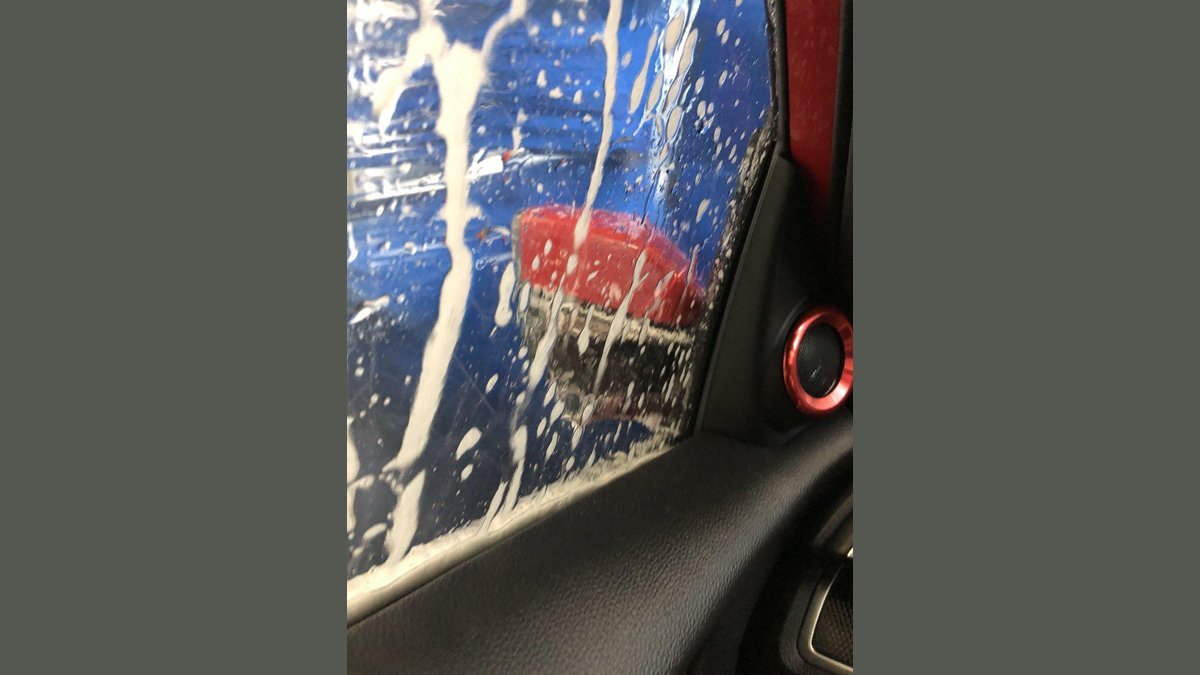
Yes, you absolutely need to fold your side-view mirrors before entering an automatic car wash to prevent mechanical damage or misalignment. While many modern vehicles are designed to withstand the brushes of a tunnel wash, the delicate housing and electronic components of side mirrors are highly susceptible to being knocked out of place or snapped off entirely by high-speed rotating scrubbers. Taking the extra five seconds to retract them can save you hundreds of dollars in repair costs and spare you the frustration of dealing with insurance claims or dealership visits for replacement parts.
Key Takeaways
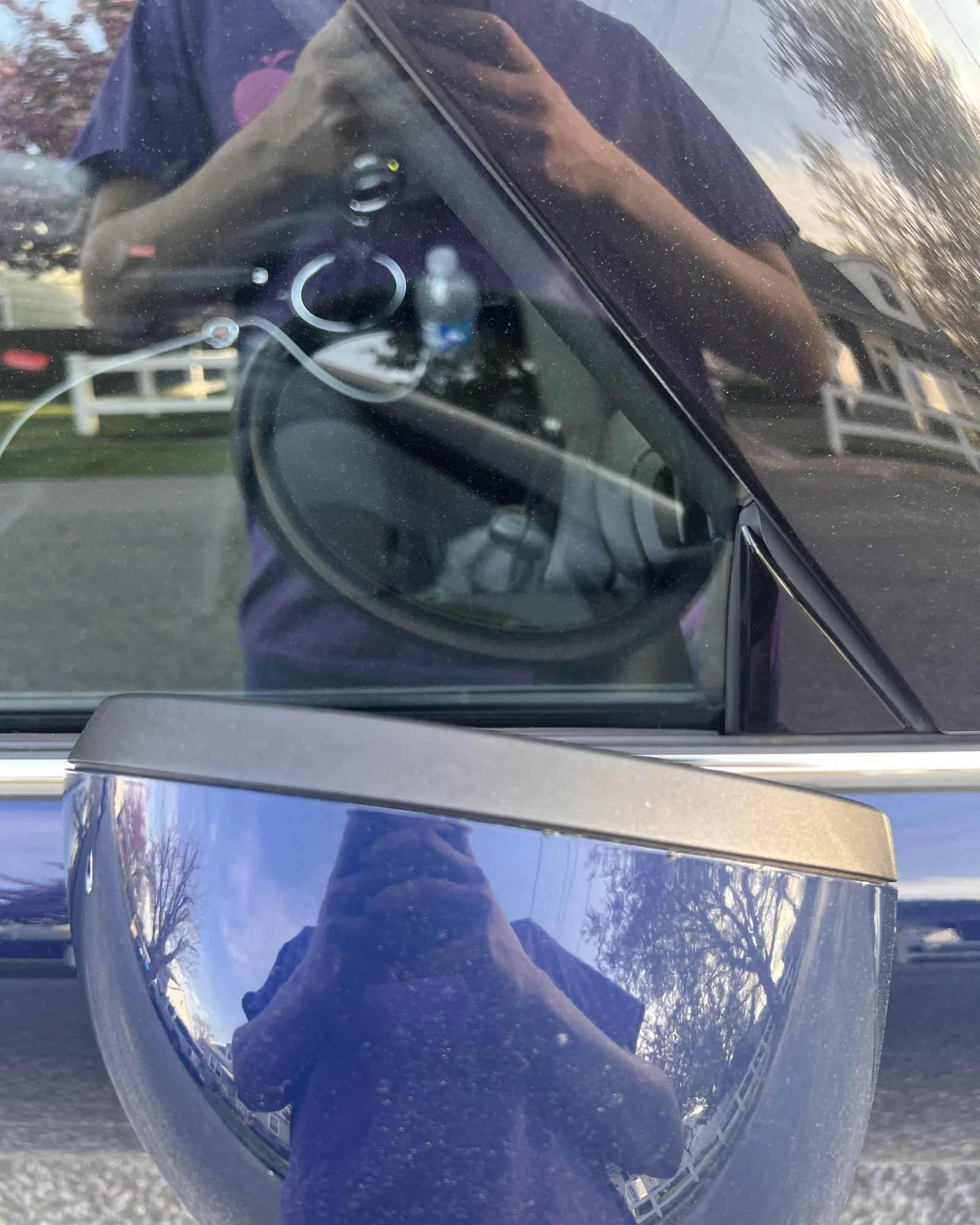
- Always fold your mirrors manually or electronically before the vehicle enters the wash tunnel.
- Retracting mirrors reduces the surface area exposed to high-pressure water jets and abrasive brushes.
- Check your owner’s manual for specific instructions regarding “Car Wash Mode” if your vehicle has one.
- Clear any debris or ice from the mirror hinges before attempting to fold them to avoid motor strain.
- Disable automatic folding features in your vehicle settings to prevent them from hitting equipment during the cycle.
Do You Need To Fold Mirrors?
The short answer is that folding your mirrors is a mandatory safety precaution for almost every type of automatic car wash system. Whether you’re using a touchless high-pressure system or a traditional soft-cloth friction wash, the side mirrors represent an “outboard” component that sticks out further than the rest of the car body.
Because these systems are calibrated to follow the contours of a standard vehicle, an extended mirror can be mistaken by the sensors for a body panel, causing the equipment to exert excessive pressure against the mirror assembly.
Mechanical stress on the mirror housing is the most common cause of damage in these facilities. If a high-speed rotating brush catches the edge of a mirror, it can push it beyond its intended range of motion, which often results in broken plastic clips, severed electrical wiring for the heating elements, or even a shattered mirror glass. In the case of power-folding mirrors, the motor itself can be stripped or burned out if it’s forced to move against the resistance of the heavy-duty wash brushes.
Assessing Your Vehicle Mirror Type
Not all mirrors are built the same, and your approach to the car wash should depend on the specific technology installed on your vehicle. You should first identify whether you have manual, power-folding, or fixed mirrors. If your mirrors are fixed, you’re at the highest risk, as you can’t retract them to minimize the impact zone.
| Mirror Type | Folding Mechanism | Risk Level | Pre-Wash Action |
|---|---|---|---|
| Manual | Physical push | Low | Fold by hand |
| Power-Folding | Electronic switch | Low | Use console button |
| Fixed/Static | None | High | Tape or cover |
| Camera-Integrated | Electronic/Fixed | Medium | Consult owner manual |
Component vulnerability is significantly higher for vehicles equipped with 360-degree cameras or blind-spot monitoring sensors housed inside the mirror casing. These sensors are sensitive to moisture ingress and physical impact. If your vehicle features cameras in the mirrors, you must ensure the housing is completely tucked in to protect the lenses from the abrasive cleaning agents and high-pressure sprayers used in professional vehicle washing facilities. By keeping the mirror tucked, you ensure that the camera lens remains shielded from the direct force of the water jets.
How To Protect Sensitive Electronics
Modern vehicles are essentially computers on wheels, and the side mirrors often house sophisticated electronics that control everything from turn signals to heated glass. When these components are exposed to high-pressure water, there’s a risk of water intrusion into the housing. Even if the mirror doesn’t break, the electronics inside can fail, leading to an “inoperative mirror” warning on your dashboard.
Electronic protection starts with ensuring the mirrors are fully retracted. When the mirror is in the folded position, the gap between the mirror housing and the door frame is minimized, which limits the amount of water that can penetrate the internal assembly. If you drive a luxury vehicle with puddle lights or proximity sensors, double-check that the mirror is flush against the body. If you notice the mirror “bouncing” or failing to lock into the folded position, don’t proceed through the car wash, as the loose component is a prime target for equipment damage.
The Role Of Tunnel Sensors
Most modern car washes use a series of sensors to detect the dimensions of your vehicle. These sensors trigger the brushes to engage or disengage based on the distance from the car body. If your mirrors are extended, the sensor might interpret them as the widest point of your vehicle. This can lead to the brushes starting their cleaning cycle too early or exerting too much pressure as they attempt to work around the obstruction.
Sensor alignment is critical for a safe wash. If the equipment is calibrated for a specific width and your mirrors extend past that width, the brush may get “hung up” on the mirror. This results in the brush stalling, which can trigger an emergency stop of the entire wash tunnel, leading to an awkward situation for you and a backup of cars behind you. By folding the mirrors, you provide the equipment with a smooth, consistent surface to clean, which allows the wash process to proceed without interruption or mechanical conflict.
Preparing Mirrors For The Wash
Before you even pull up to the wash entrance, take a moment to prepare your vehicle. If you have manual mirrors, exit the car and fold them by hand. If you have electronic mirrors, use the toggle on the driver-side door panel to retract them.
If your car has an automatic folding feature that activates when you lock the doors, ensure you don’t lock the car while in the wash, as this could cause the mirrors to attempt a movement while they’re being pressed by a brush.
Pre-wash inspection is vital. Check the hinges for any buildup of grit, road salt, or frozen slush. If there’s debris in the hinge, the mirror may not fold all the way, leaving it vulnerable to the wash brushes. Use a damp cloth to wipe down the hinge area if you notice any obstructions. If the weather is freezing, ensure the mirror mechanism isn’t frozen in place, as forcing an electronic mirror open or closed in sub-zero temperatures can strip the internal gears.
Troubleshooting Mirror Malfunctions
Sometimes, despite your best efforts, a mirror may be pushed or damaged. If you exit the wash and notice your mirror is hanging loosely or not responding to the controls, don’t panic. First, check if the mirror has simply been knocked out of its “detent” or locking position. Often, a gentle push back into the forward position will cause it to click back into place.
Troubleshooting steps should be methodical:
- Verify the electrical connection by pressing the fold button again.
- Listen for the motor; a humming sound indicates the motor is active but stuck.
- Manually guide the mirror into the correct position if the motor is struggling.
- Check the fuse box if the mirror control is completely unresponsive.
- Inspect the mirror glass for cracks or loose wiring.
If the mirror housing itself is cracked, you’ll need to contact a professional. Attempting to glue broken plastic housing is rarely a long-term solution, as the vibrations from highway driving will eventually cause the repair to fail. Always prioritize the structural integrity of the mirror over cosmetic fixes.
Common car wash mistakes when folding mirrors
Many drivers believe that touchless car washes are safe for all exterior components, but this is a common misconception. While touchless washes don’t use abrasive brushes, they use extremely high-pressure water jets and harsh chemical detergents. These high-pressure streams can force water into the gaps of an extended mirror, potentially damaging the internal motors or the electronic circuit boards controlling the mirror functions.
Common hazards include:
- High-pressure water forcing moisture into electronic housing.
- Chemical detergents stripping the lubricant from mirror hinges.
- Mirrors being pushed backward by the force of the water spray.
- Inadequate rinsing leading to soap residue trapped in the mirror hinge.
Pro Tip: Always use a high-quality silicone-based lubricant on your mirror hinges once every few months to ensure they move smoothly and remain resistant to water ingress, which will make them less prone to seizing up during a car wash.
When To Avoid Automatic Washes
There are specific situations where you should skip the automatic wash entirely and opt for a hand wash. If your mirrors have existing damage, loose wiring, or if the plastic housing is already cracked, the pressure and mechanical action of an automatic wash will likely worsen the condition.
Similarly, if your vehicle is older and the mirror motors are known to be weak, the resistance encountered in a tunnel wash could be the final straw that causes them to fail permanently.
Vehicle conditions that warrant caution:
- Mirrors that have been previously repaired or replaced with aftermarket parts.
- Vehicles with custom, oversized, or non-factory mirrors.
- Mirrors that show signs of rust or significant paint peeling.
- Cars equipped with fragile, exposed wiring harnesses near the mirror base.
Warning: Never attempt to force a power-folding mirror to move manually if it’s stuck, as this can damage the internal gear train and lead to a very expensive repair bill at the dealership.
Frequently Asked Questions
Should I fold my mirrors if I have a dashcam?
If your dashcam is mounted on the windshield, folding your mirrors won’t affect it. However, if you have a camera integrated into the side mirror housing, folding the mirror will block the camera’s view and protect the lens from the wash. Ensure the mirror is fully retracted to prevent the wash brushes from scratching the camera lens or forcing the housing into an incorrect angle.
Will the car wash dryer damage my mirrors?
The powerful blowers at the end of a car wash are designed to remove excess water from the vehicle’s surface. While they’re generally safe, if your mirrors are extended, the air pressure can sometimes cause them to vibrate or move slightly. Folding them minimizes this vibration and ensures the air flows over the vehicle body smoothly, preventing any potential stress on the mirror mounting points.
What if my mirrors don’t fold?
If your vehicle doesn’t have folding mirrors, you should use blue painter’s tape to secure the mirror housing as close to the window as possible. While this isn’t as effective as folding, it provides a small amount of protection. Alternatively, you should avoid automatic tunnel-style car washes and use a touchless wash or a self-service bay where you can control the water pressure and avoid the brushes.
Does folding mirrors affect my insurance?
Insurance companies generally consider damage from an automatic car wash to be a preventable incident. If you fail to fold your mirrors and they’re damaged, the insurance provider may deem the incident as “driver negligence.” By following the manufacturer’s guidelines and folding your mirrors, you demonstrate that you took reasonable precautions, which helps in the event of a claim regarding mechanical failure caused by the car wash equipment.
Are all automatic car washes the same?
No, automatic car washes vary significantly in terms of technology and equipment. Friction washes use cloth or foam brushes, while touchless washes use only high-pressure water and soap. Friction washes pose a higher risk of physical impact to your mirrors, whereas touchless washes pose a higher risk of water intrusion into the mirror electronics. Regardless of the type, folding your mirrors remains the best practice for all automatic systems.
Conclusion
Taking the time to fold your mirrors before entering a car wash is a simple habit that protects your vehicle’s most vulnerable exterior components. Whether your mirrors are manual or power-operated, ensuring they’re flush against the body prevents costly repairs and keeps your sensors and cameras safe. Before your next visit, check your owner’s manual for your vehicle’s specific requirements and make it a standard part of your pre-wash routine.