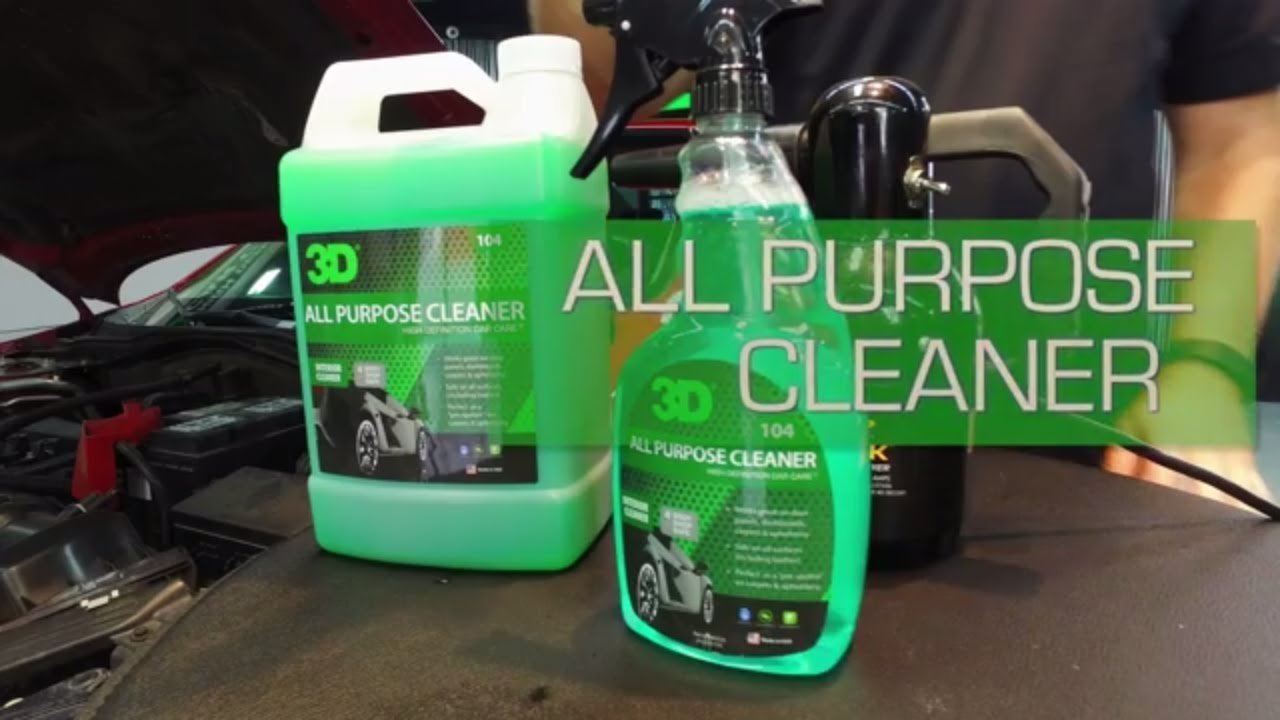
You can technically use multi-purpose cleaner on your car, but it’s rarely the safest or most effective choice for every surface. While these household sprays are excellent at cutting through kitchen grease and bathroom grime, the chemical composition of your vehicle’s exterior paint, clear coat, and interior materials requires a much more delicate balance of pH levels. Using a harsh household degreaser on your car’s delicate surfaces can lead to long-term damage, such as stripping away protective waxes or causing discoloration on sensitive plastics and leather. Before you reach for that bottle under your kitchen sink, it’s vital to understand exactly which car surfaces might tolerate a household cleaner and which ones will suffer irreparable harm.
Key Takeaways
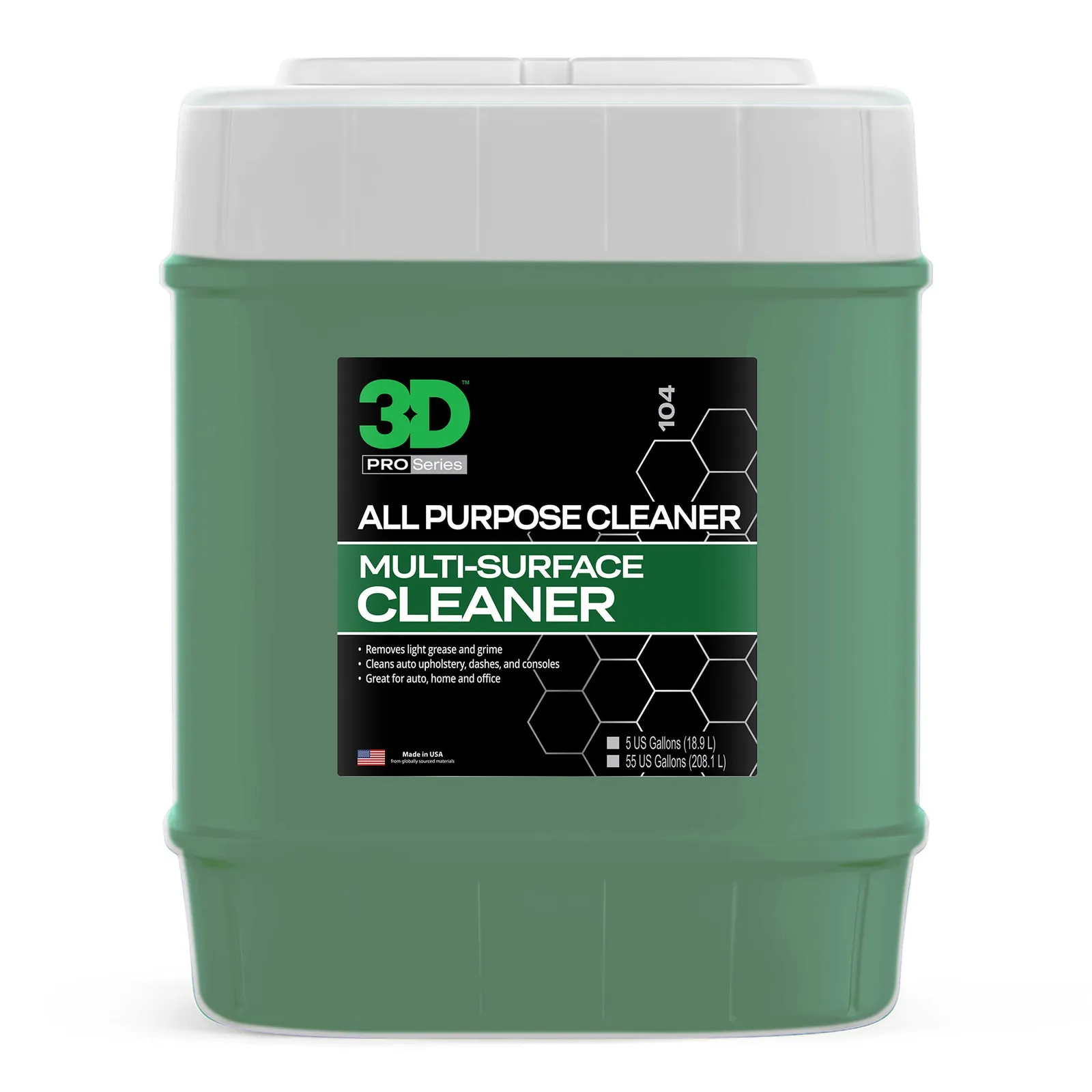
- Avoid using multi-purpose cleaners on exterior paint, as they often contain high pH solvents that strip protective wax and sealants.
- Test any cleaner on a small, inconspicuous area before applying it to visible interior surfaces like dashboards or upholstery.
- Never use ammonia-based cleaners on tinted windows, as these chemicals can degrade the film and cause bubbling or purple discoloration.
- Focus multi-purpose cleaners only on heavy-duty, non-porous areas like rubber floor mats or engine bay plastic covers.
- Always rinse surfaces thoroughly with water after using household cleaners to prevent chemical residue from drying and staining.
Why Multi-Purpose Cleaner Is Risky
The primary reason professional detailers caution against household cleaners is the difference in chemical engineering. Household products are designed for countertops, tile, and porcelain, which are non-porous and highly durable. Automotive surfaces, however, are engineered to withstand environmental exposure while maintaining a glossy finish. Many household sprays contain surfactants and solvents that are too aggressive for automotive clear coats.
When you apply these to paint, you’re essentially performing a “strip wash” that removes the essential protection provided by automotive waxes and polymer sealants. Once that barrier is gone, your paint is vulnerable to UV radiation, bird droppings, and industrial fallout. Furthermore, the porous nature of interior materials like leather and soft-touch plastics means they can absorb these harsh chemicals, leading to premature cracking, drying, or fading.
When Can You Use Multi-Purpose Cleaner?
There are specific, limited scenarios where a multi-purpose cleaner might be acceptable, provided you exercise extreme caution. These instances generally involve non-porous, heavy-duty components that are already exposed to harsh elements. For example, if you have thick, rubberized floor mats that are covered in mud or deep-seated dirt, a diluted multi-purpose cleaner can act as an effective degreaser.
Additionally, if you’re cleaning the plastic engine bay covers—which are designed to be heat-resistant and durable—a light spray can help remove light oil film. However, you must avoid any electrical components, wiring harnesses, or alternator parts. Always keep in mind that “multi-purpose” often means “high-strength,” and in the automotive world, high-strength isn’t always a positive attribute.
| Surface Type | Suitability | Risk Level |
|---|---|---|
| Exterior Paint | Never Use | Extreme |
| Rubber Floor Mats | Use Carefully | Low |
| Plastic Interior Trim | Use Sparingly | Moderate |
| Tinted Windows | Never Use | High |
| Engine Bay Plastics | Use Carefully | Moderate |
Surfaces to Avoid Entirely
Warning: Never use a multi-purpose cleaner on your car’s infotainment screen or instrument cluster. These surfaces are coated with specialized anti-reflective and anti-glare films that are incredibly sensitive to chemical solvents. A standard household cleaner can permanently cloud these screens or remove the coating entirely, leaving you with a hazy, unreadable display. Similarly, avoid using these products on leather seats. Leather is a natural material that requires specific pH-balanced conditioners to remain supple. A high-pH multi-purpose cleaner will strip the natural oils from the hide, causing it to become brittle and eventually crack under the sun’s heat. Finally, avoid using these products on exterior trim that has already shown signs of fading, as the chemicals can accelerate the degradation of the plastic’s UV inhibitors.
Understanding pH and Chemical Safety
To understand why these products differ, you must look at the pH scale. Most automotive-specific soaps are pH-neutral, meaning they’re designed to lift dirt without reacting with the paint or wax. Many multi-purpose cleaners, especially those marketed as “degreasers” or “heavy-duty,” are highly alkaline.
An alkaline solution is designed to break down fatty acids and oils, which is great for a greasy stove but terrible for the long-term health of your car’s clear coat. If you must use a household product, look for one that’s labeled as “pH-neutral” or “all-surface safe.” Even then, it’s better to think of these as a last resort for specific stains rather than a regular tool for maintaining your vehicle’s appearance.
Comparing Automotive vs. Household Cleaners
Choosing the right product is essential for maintaining the resale value of your vehicle. While household cleaners offer convenience, automotive products offer safety and specialized performance.
| Feature | Automotive Cleaner | Multi-Purpose Cleaner |
|---|---|---|
| pH Balance | Neutral (pH 7) | Often Alkaline (pH 9+) |
| Wax Stripping | Minimal | High |
| UV Protection | Often Included | None |
| Surface Compatibility | High | Low |
| Cost Efficiency | Low (Higher price) | High (Lower price) |
The Dangers of Ammonia and Bleach
Many household cleaners rely on ammonia or bleach to kill bacteria and cut through tough grime. These two ingredients are absolute enemies of a well-maintained vehicle. Ammonia is particularly dangerous for modern cars because it’s a common ingredient in glass cleaners that destroys window tint. If you have aftermarket window tint film, ammonia will cause it to delaminate, bubble, and turn an unsightly shade of purple.
Bleach is even worse, as it’s a powerful oxidizing agent. If you accidentally get bleach on your carpet, floor mats, or upholstery, you’ll likely see immediate discoloration or permanent bleaching of the fabric fibers. Chemical safety should always be your priority when working with any cleaning agent.
Steps for Safer Interior Cleaning
If you’re determined to clean your interior, follow these steps to minimize potential damage. First, gather your supplies: a clean microfiber towel, a soft-bristle brush, and a bucket of distilled water.
- Vacuum the area thoroughly to remove loose dirt and debris.
- Dilute your cleaner with water at a 1:10 ratio if you’re forced to use a household product.
- Spray the solution onto the microfiber towel rather than directly onto the surface to prevent overspray.
- Gently wipe the area in a circular motion.
- Use a separate, damp cloth to wipe away any residue.
- Dry the area immediately with a clean, dry microfiber towel.
Pro Tip: Always perform a “spot test” on a hidden area, such as the underside of a seat or the bottom of the door panel, to ensure the cleaner doesn’t cause discoloration or texture changes.
Maintaining Your Car’s Exterior Finish
For the exterior, the risks of using the wrong cleaner are magnified by the surface area. If you use a multi-purpose cleaner on your paint, you’re likely removing the protective wax layer that defends the clear coat against environmental pollutants. This leaves your paint feeling “grabby” or rough to the touch, and it will lose its hydrophobic properties, meaning water will no longer bead up on the surface.
If you have already used a household cleaner, your next step should be to wash the car with a dedicated automotive shampoo and apply a fresh coat of quality wax or sealant to restore the protective layer.
Frequently Asked Questions
Is it safe to use dish soap on a car?
Dish soap is technically a detergent designed to strip grease from plates, which means it will also strip the wax from your car’s paint. While it won’t damage the clear coat itself, it leaves your car completely unprotected from the sun and environmental contaminants. It’s acceptable if you’re preparing to perform a full paint correction or wax job, but it shouldn’t be used for regular maintenance.
Can I clean my dashboard with a multi-purpose spray?
You should avoid using standard multi-purpose sprays on a dashboard. These surfaces are often made of soft-touch plastics or vinyl that can be damaged by solvents. Many household cleaners contain alcohol or ammonia, which can dry out the material, causing it to crack or fade over time. It’s much safer to use a product specifically formulated for automotive interior plastics that provides UV protection.
What should I do if I accidentally used a harsh cleaner?
If you realize you have used a harsh cleaner on a sensitive surface, rinse the area immediately with plenty of clean water to dilute the chemical. Once you have flushed the area, dry it thoroughly with a soft cloth. If the surface is leather or plastic, apply a high-quality automotive conditioner or UV protectant to help restore the moisture and seal the surface against further damage.
Can I use these cleaners on leather seats?
You should never use a multi-purpose cleaner on leather seats. Leather is a porous, organic material that requires a specific pH balance to stay soft and flexible. Household cleaners are far too alkaline and will strip the natural oils and protective topcoat from the leather, leading to rapid drying, cracking, and loss of color. Always use a dedicated leather cleaner and conditioner to maintain your upholstery.
What is the best way to clean car windows?
The best way to clean car windows is to use an automotive-specific glass cleaner that’s explicitly labeled as “ammonia-free.” This ensures your window tint remains intact and the glass remains streak-free. Spray the cleaner onto a clean microfiber cloth rather than directly onto the glass to prevent the liquid from dripping into the door panels or onto the dashboard, which could cause stains or electrical issues.
Conclusion
Taking care of your vehicle requires a nuanced understanding of materials, as automotive surfaces are far more specialized than the household items you encounter daily. While the convenience of a multi-purpose cleaner is tempting, the long-term costs of damaged paint, brittle leather, and ruined window tint are simply not worth the savings.
For your next cleaning session, invest in a dedicated automotive soap and an interior detailer specifically designed for vehicles. Start by picking up a pH-neutral car wash soap from a local auto parts store to ensure your paint’s protective finish remains intact and your vehicle continues to look its best for years to come.