
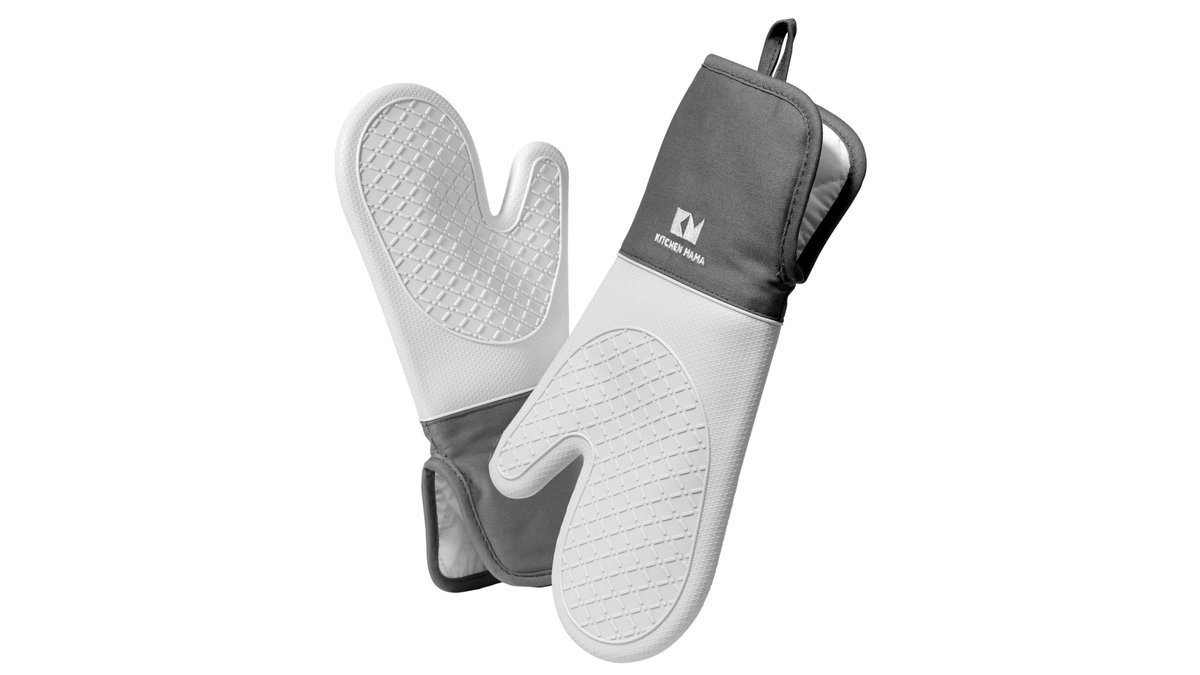
Silicone oven gloves are exceptionally effective tools for the modern kitchen, providing superior heat resistance and water protection compared to traditional fabric alternatives. When evaluating whether these accessories meet your needs, it’s important to consider that they offer a unique balance of dexterity, safety, and ease of maintenance. While fabric mitts can harbor bacteria and absorb scalding liquids, high-quality silicone provides a non-porous barrier that keeps your hands safe during routine baking or intense roasting tasks.
Key Takeaways
- Silicone is inherently waterproof, preventing steam burns that occur when fabric mitts become damp.
- Most silicone gloves are dishwasher safe, making them far more hygienic than traditional cotton oven mitts.
- These gloves offer a superior grip on slippery glass or metal bakeware, reducing the risk of dropped dishes.
- Always check for heat resistance ratings; most quality silicone gloves handle temperatures up to 450°F to 500°F.
- Silicone doesn’t provide the same flexibility as fabric, so choose designs that allow for finger movement.
Are Silicone Oven Gloves Any Good?
The short answer is yes, they’re highly functional for most home cooking scenarios. Unlike cotton or quilted polyester mitts, silicone doesn’t soak up hot spills or boiling water. If you accidentally spill a pot of hot liquid on a fabric glove, the liquid seeps through to your skin almost instantly, leading to severe burns. Silicone acts as a complete seal, protecting your hands from both conductive heat and hot steam.
However, the “goodness” of these gloves depends on the specific design. Some are shaped like traditional mitts, while others are “fingered” gloves that offer better dexterity. If you’re handling large, heavy roasting pans, you might find the stiff texture of silicone slightly cumbersome compared to a soft, flexible fabric glove. Yet, the trade-off in safety—specifically the ability to wash them thoroughly and their resistance to melting—makes them a superior choice for long-term use.
Comparing Oven Glove Materials
To understand why silicone is often preferred, consider how it stacks up against standard kitchen materials. The following table highlights the primary differences in performance, safety, and maintenance.
| Material | Heat Protection | Liquid Resistance | Cleanliness | Durability |
|---|---|---|---|---|
| Silicone | Excellent | Waterproof | High | Long-lasting |
| Cotton | Moderate | Low | Low | Low |
| Aramid/Kevlar | High | Low | Moderate | Moderate |
| Neoprene | High | Waterproof | Moderate | Moderate |
As shown in the data, silicone stands out primarily because of its non-porous surface. While cotton is prone to staining and retaining odors, silicone remains neutral. This makes it an ideal choice for busy households where mitts are used daily and subjected to spills, grease, and food debris.
Why Heat Resistance Matters Most
When shopping for protective gear, you must understand how manufacturers define safety. Most silicone gloves are rated for temperatures ranging from 450°F to 500°F. If you frequently use a pizza stone or a cast-iron skillet, you need to ensure your gloves are rated for the high temperatures involved in those processes.
Pro Tip: Always look for the heat tolerance rating stamped on the product packaging or the manufacturer’s website. If a glove doesn’t list a specific temperature limit, avoid using it for high-heat tasks like broiling or preheating cast iron, as the silicone could potentially degrade or melt under extreme, direct heat exposure.
The Occupational Safety and Health Administration provides guidelines on thermal hazards, emphasizing that insulating materials must be checked for integrity before use, especially when dealing with extreme heat. Even the best silicone glove will lose its protective qualities if it has cracks, tears, or thin spots caused by improper storage or contact with sharp kitchen tools.
The Problem With Fabric Mitts
Traditional fabric oven mitts have been a kitchen staple for decades, but they have significant flaws. Because they’re porous, they absorb grease and water. When you grab a wet pan, the moisture in the fabric can instantly turn into steam when it hits the hot metal, causing a “steam burn” that’s often more painful than a simple contact burn.
Furthermore, fabric mitts are notoriously difficult to clean. They trap food particles and bacteria, which can be transferred to your food or countertops. In contrast, silicone gloves can be tossed in the dishwasher or wiped clean with a soapy sponge. This sanitary advantage is the primary reason many professional chefs have shifted toward silicone or hybrid silicone-fabric designs.
Design Options and Ergonomics
When you look for silicone gloves, you’ll encounter two main styles: the traditional “mitten” shape and the “five-finger” glove. Each serves a different purpose in the kitchen.
- Silicone Mitten Style: These are best for simple tasks like pulling a baking sheet out of the oven. They’re easy to slip on and off but provide less control for tasks like flipping food or gripping small ramekins.
- Five-Finger Silicone Gloves: These offer the highest level of dexterity. They allow you to grip handles, pick up small items, and even handle hot food directly if needed. They’re ideal for grilling or tasks requiring fine motor skills.
- Hybrid Gloves: Many modern designs feature a silicone exterior for heat and liquid protection, with a fabric or neoprene interior lining for comfort and sweat absorption. This combination is often considered the “gold standard” for home cooking.
Maintenance and Care Tips
Silicone is incredibly durable, but it does require some basic care to maintain its heat-resistant properties. Because it’s a synthetic material, it can be damaged by sharp objects. Never use your silicone gloves to handle knives, graters, or pizza cutters, as a small puncture can lead to a tear that compromises the glove’s integrity.
Warning: Never place your silicone gloves directly onto a burner, into an open flame, or against an active heating element inside your oven. While silicone is heat resistant, it isn’t fireproof. Direct contact with a red-hot heating coil will cause the material to melt and potentially ignite, ruining both the glove and your oven interior.
How to Check Your Gloves
Before every use, perform a quick inspection of your gear. If you notice any of the following, it’s time to replace your silicone gloves:
- Visible Cracks: Small fissures in the silicone can allow heat to bypass the protective layer.
- Thin Spots: If the material looks stretched or worn down, the thermal barrier is likely compromised.
- Sticky Residue: Old, degraded silicone can become tacky or sticky, which is a sign that the chemical structure of the material is failing.
- Deep Cuts: Even a small cut can expand under the stress of gripping a heavy pot, leading to an accidental burn.
Recommended Brands and Models
If you’re looking to invest in quality silicone gear, these brands consistently receive high marks for safety and durability:
- OXO Good Grips: Known for ergonomic design and high-quality, heat-resistant silicone.
- KitchenAid: Offers durable, classic silicone mitts that provide excellent coverage.
- Artisan Griller: Often produces high-heat-rated gloves specifically designed for grilling and heavy-duty oven tasks.
- Homwe: A popular choice for budget-conscious buyers looking for reliable, extra-long silicone mitts.
Evaluating the Cost-Benefit
Is the price worth the performance? High-quality silicone gloves typically range from $15.00 to $45.00 per pair, depending on the thickness, the length of the cuff, and the brand. While this is more expensive than a basic $5.00 cotton mitt, the longevity of silicone makes it a better investment.
A good pair of silicone gloves can last several years with proper care, whereas cotton mitts often need to be replaced every few months due to staining, tearing, or loss of heat-insulating loft.
Are Silicone Gloves Better for Grilling?
Grilling requires a different kind of protection than baking. You’re dealing with open flames, charcoal ash, and the potential for flare-ups. Silicone gloves are generally better than fabric for grilling because they’re non-flammable and provide a better grip on heavy grill grates and tongs. However, ensure you choose a “long-cuff” model that protects your forearms, as grill heat can be intense and unpredictable compared to the steady heat of a conventional oven.
Frequently Asked Questions
Can I put silicone oven gloves in the dishwasher?
Yes, most silicone oven gloves are top-rack dishwasher safe. Because silicone is non-porous and heat-resistant, the high temperatures and water pressure of a dishwasher won’t damage the material. This makes them significantly more hygienic than fabric mitts, which can trap food particles and bacteria. Always check the manufacturer’s label to confirm, but generally, they handle the dishwasher cycle without any issues.
Do silicone gloves provide enough grip?
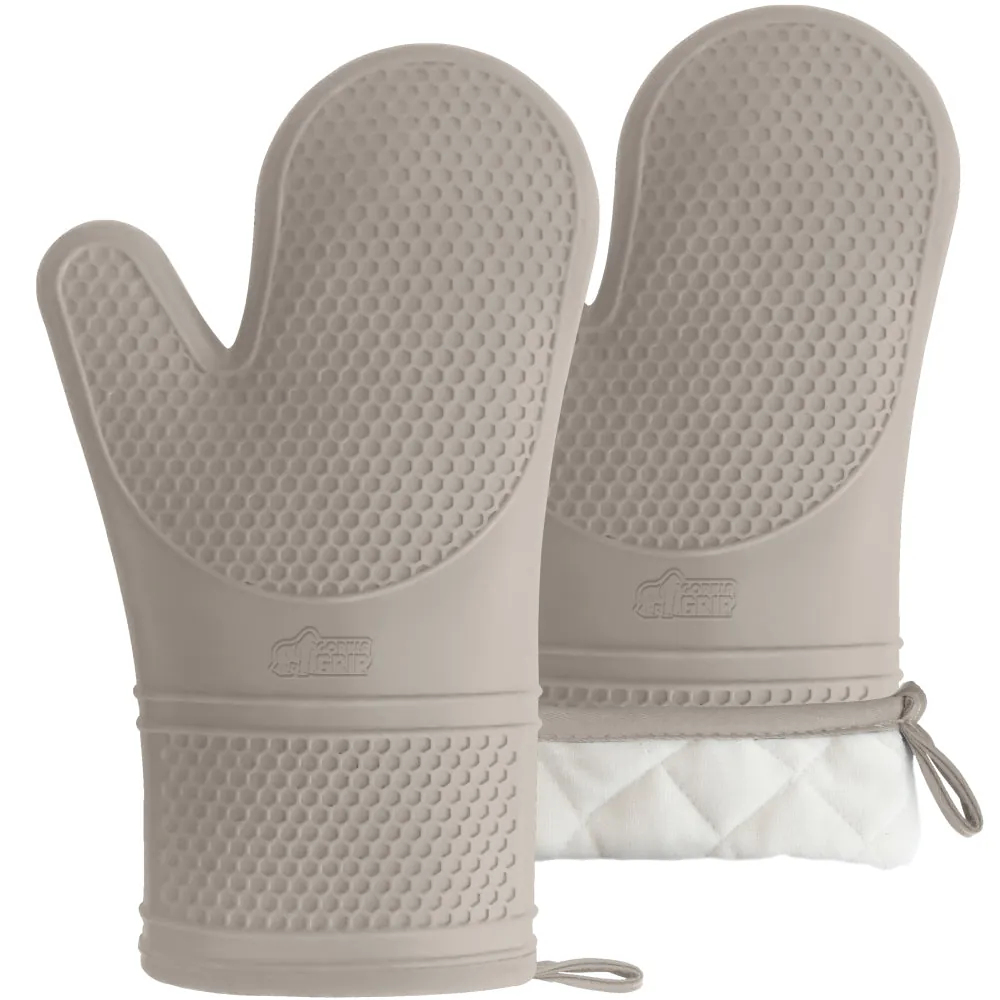
Silicone is actually superior to fabric for grip. The material has a natural “tackiness” that prevents glass, ceramic, and metal bakeware from slipping through your hands. Many silicone gloves also feature textured patterns or ridges on the palms, which further enhance your ability to maintain a firm hold on heavy or slick surfaces, significantly reducing the likelihood of dropping hot cookware.
Are they flexible enough for small tasks?
Full-coverage silicone mitts can feel stiff, which might make picking up small items difficult. However, five-finger silicone gloves are designed specifically for dexterity and allow for movement similar to a standard glove. If you find standard mitts too bulky, look for a five-finger design or a hybrid model that uses a more flexible, thinner silicone palm paired with a comfortable fabric wrist area.
Can silicone gloves melt in the oven?
Silicone gloves won’t melt at standard baking temperatures, typically up to 450°F or 500°F. However, they aren’t intended to be used as permanent oven liners or left inside the oven while it’s running. The main risk is direct contact with heating elements or an open flame, which can cause the silicone to degrade or burn. Use them only for moving pans, not as cooking accessories.
Should I choose silicone or neoprene?
Silicone is generally preferred for its ease of cleaning and durability. Neoprene is also waterproof and heat-resistant but can be more prone to cracking over time if exposed to extreme temperature fluctuations. For most home kitchen applications, silicone is the more versatile and longer-lasting option. Neoprene is often found in wetsuits and industrial safety gear, whereas silicone is specifically engineered for food-contact safety and high-heat kitchen environments.
Conclusion
When choosing your next set of kitchen protection, prioritize safety ratings and your specific cooking habits. If you bake frequently, a high-quality, long-cuff silicone mitt will serve you well. If you prefer grilling or intricate prep work, opt for a five-finger design. Check your current mitts today for signs of wear and consider upgrading to silicone for a safer, cleaner cooking experience.