
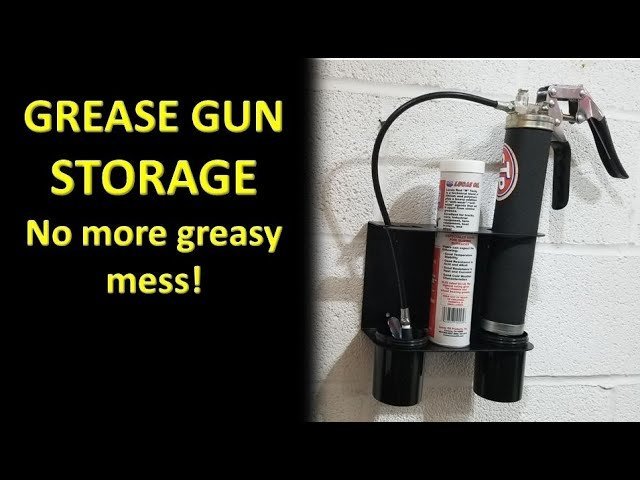
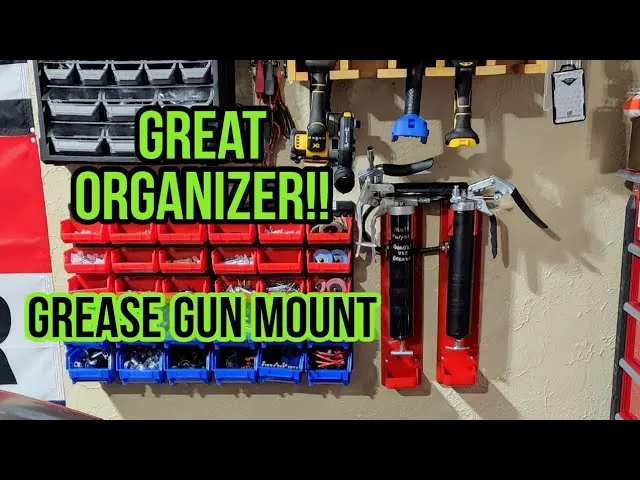
To keep your tools in good working order, you should store grease guns in a horizontal position on a clean shelf or inside a dedicated wall mount. This simple habit prevents the heavy grease from separating inside the tube, which can cause air pockets and pump failures later. The entire process of organizing your workspace takes about 15 minutes and requires no special tools. You’ll need a stable, flat surface away from direct sunlight and moisture to ensure the seals stay flexible and the grease remains stable for long-term use.
Essential Supplies for Tool Storage
| Item | How much | Why it’s needed | A substitute |
|---|---|---|---|
| Wall mount | 1 unit | Holds gun level | Wooden block shelf |
| Shop rags | 2-3 pieces | Wipes excess grease | Paper towels |
| Plastic caps | 1 per nozzle | Keeps dirt out | Clean cling film |
| Storage shelf | 1 flat area | Prevents rolling | none — don’t swap this |
| Degreaser | 1 small bottle | Cleans tool body | Soap and water |
If you mount it higher, you risk dropping the tool during retrieval, which often cracks the internal seals.
Keep your shop rags in a sealed plastic bag. Leaving them exposed allows airborne dust to settle into the fabric, which then transfers grit directly onto your precision surfaces during cleaning.
When choosing a shelf, prioritize a non-slip rubber mat over bare metal. A metal surface allows tools to slide during temperature shifts, leading to bent nozzles. If your space is humid, skip the soap and water substitute for degreaser entirely. Always use a dedicated solvent to ensure the metal remains bone-dry after maintenance. If you can’t source specialized degreaser, use 90% isopropyl alcohol instead to ensure rapid evaporation.
Steps to Prepare Your Workspace
Wipe the exterior of the tool with a clean shop rag to remove any oil or dirt before putting it away. Accumulated grime acts as an abrasive that wears down seals over time.
Release the pressure from the grease gun by backing off the plunger rod. Leaving it under tension causes the internal spring to lose its temper, which eventually prevents the gun from priming correctly.
Cover the nozzle with a plastic cap or a small piece of clean plastic wrap to prevent grit from entering the tip. If you work in a dusty environment, use a zip tie to secure the wrap. This simple step prevents hardened debris from clogging the check valve during your next use.
Store the tool in a horizontal position to stop the oil from separating from the thickener. If you must store it vertically, keep the head pointing downward to ensure the internal seal remains lubricated.
Check the manufacturer’s data sheet for your specific lubricant. If the grease contains flammable additives, store it in a cool, ventilated cabinet away from heat sources.
How to Store Grease Guns Safely
- Clean the outside of your grease gun thoroughly using a dry, lint-free cloth to ensure no grit or metal shavings remain on the housing.
- Unthread the head slightly or use the release valve to ensure no pressure remains on the internal grease cartridge or the follower plate.
- Place the grease gun on a level, horizontal shelf or secure it into a wall-mounted bracket designed for the specific diameter of your tool.
- If you must store the tool vertically, hang it with the nozzle facing downward to prevent air bubbles from settling near the pump mechanism.
- Apply a small amount of light machine oil to the threads of the grease gun head if you plan to store it for more than 6 months.
- Label the tool clearly if you use different types of grease, such as lithium or marine grade, to avoid cross-contamination during future maintenance.
- Confirm the tool is stable by giving it a gentle nudge; it shouldn’t roll or vibrate off the edge of your workbench.
Confirming Your Storage Method Works
You can verify your storage method is effective by checking the pump action the next time you use the tool. If the grease flows smoothly and consistently without sputtering, your horizontal storage is working correctly. A sputtering sound or a total lack of pressure indicates that air has entered the chamber or the grease has separated.
If you notice a pool of oil on your shelf, the seal on the grease gun head may be worn, or the ambient temperature in your shed is too high for the specific lubricant you’re using.
If you find that your grease guns often leak, check the rubber plunger seal for signs of cracking or hardening. A healthy seal should feel soft and pliable when you manually slide the rod. If the seal feels stiff, it’s time to replace the internal rubber component. Always keep the nozzle covered; if you see dust or dirt on the tip, wipe it off before attaching it to a grease fitting to prevent forcing debris into your machinery.
Troubleshooting Common Storage Issues
| What happened | Why | What to do |
|---|---|---|
| Grease is leaking | Seal is worn | Replace rubber plunger |
| Tool is messy | Excess grease | Clean with degreaser |
| Handle is stiff | Pressure buildup | Release tension rod |
| Air in line | Vertical storage | Prime the pump |
| Rust on body | High humidity | Move to dry area |
If you encounter grease leaking from the head, check the plunger diameter first. Replace the seal immediately to avoid contaminating your workspace.
When the handle resists movement, don’t force it. Pushing against a locked internal valve often shears the linkage pin, a repair that requires a total teardown. Instead, unscrew the end cap two full turns to vent trapped air before resetting the rod.
If you store your grease gun vertically, you invite air pockets that cause the tool to sputter during operation. Always store the unit horizontally on a flat shelf. If the tool remains unresponsive after priming, the check ball is likely stuck with dried residue. Tap the head gently with a rubber mallet to break the seal and restore flow.
How Often to Maintain Your Tools
You should inspect your stored grease guns at least once every 3 months to ensure the seals remain in good condition and no leaks have developed. The frequency of this check depends on two main factors: the humidity of your storage environment and the frequency of your tool use.
If you store your tools in a damp garage, you should check them monthly to prevent surface corrosion. Rust on the piston rod often goes unnoticed until it scores the internal seal, which leads to permanent pressure loss.
Conversely, if you use your grease guns weekly, you’ll naturally catch potential issues faster. Always verify the condition of the rubber seals before starting a big project.
If the grease appears separated or the oil has bled out into the tube, you may need to stir the contents or replace the cartridge entirely before you begin your maintenance work. If you see clear oil weeping from the coupler, the internal check valve has likely failed. Replace the coupler immediately to avoid wasting expensive lubricant. If the plunger resists movement, apply a light coat of silicone spray to the rod to prevent binding.
Frequently asked questions
Can I store a grease gun vertically?
You can store a grease gun vertically if you keep the nozzle pointing downward, though horizontal storage is better. Storing it with the nozzle down prevents air from migrating toward the pump mechanism, which reduces the risk of airlocks. If you must store it upright with the nozzle facing up, you’ll likely experience a loss of prime, requiring you to bleed the air out before your next use.
Why does my grease gun leak when stored?
Your grease gun leaks because the internal seal has failed or the ambient temperature is too high for the grease. Heat causes the oil to separate from the thickener, allowing it to bypass the plunger seal.
How long can I leave grease in the gun?
You can leave grease inside a gun for up to 12 months, provided the tool is stored in a cool, dry place. Beyond one year, the risk of oil separation and seal degradation increases significantly. If you don’t use your grease guns often, mark the date on the tube with a piece of tape so you know exactly when the lubricant was first loaded into the device.
Is it safe to store tools in a hot shed?
High temperatures cause the grease to thin out, which leads to leaks and potential mess on your workbench. If you can’t avoid high temperatures, consider moving your tools to a climate-controlled cabinet or a basement where the temperature remains stable throughout the year.
What happens if I leave the rod under tension?
Leaving the plunger rod under tension during storage weakens the internal spring and can deform the rubber follower seal. This constant pressure pushes the grease against the seal even when the tool isn’t in use, which accelerates wear and leads to leaks. Always pull the rod back and lock it into the notch provided on the handle to relieve the tension before placing the tool on the shelf.
Does the type of grease matter for storage?
The type of grease matters because synthetic lubricants often have different temperature thresholds than standard lithium-based greases. Check the technical data sheet provided by your grease manufacturer to see the recommended storage temperature range. If your grease is rated for high-temperature applications, it will typically hold its structure better in a warm garage than a standard multipurpose grease, but you should still aim for a cool, dark storage spot.
Conclusion
Maintaining your tools properly prevents costly repairs and ensures your equipment is ready the moment you need it. By keeping your grease guns horizontal and free of excess pressure, you protect the internal components from unnecessary wear and tear. A few minutes spent organizing your storage space today saves you from cleaning up leaks or troubleshooting pump failures during your next maintenance task.