
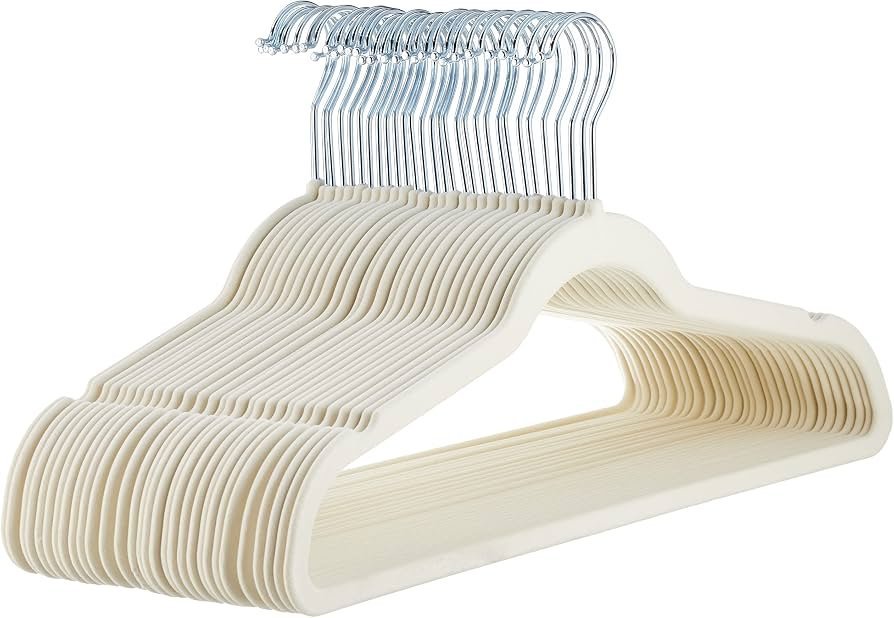
You can save up to 50% of your closet space by switching to slim velvet non slip clothes hangers, which are designed to keep garments from sliding off while maintaining a thin profile. This slim velvet non slip clothes hangers review looks at how these tools maximize storage, their weight limits, and the materials you should avoid to keep your clothes in top condition.
Why we recommend slim velvet non-slip clothes hangers
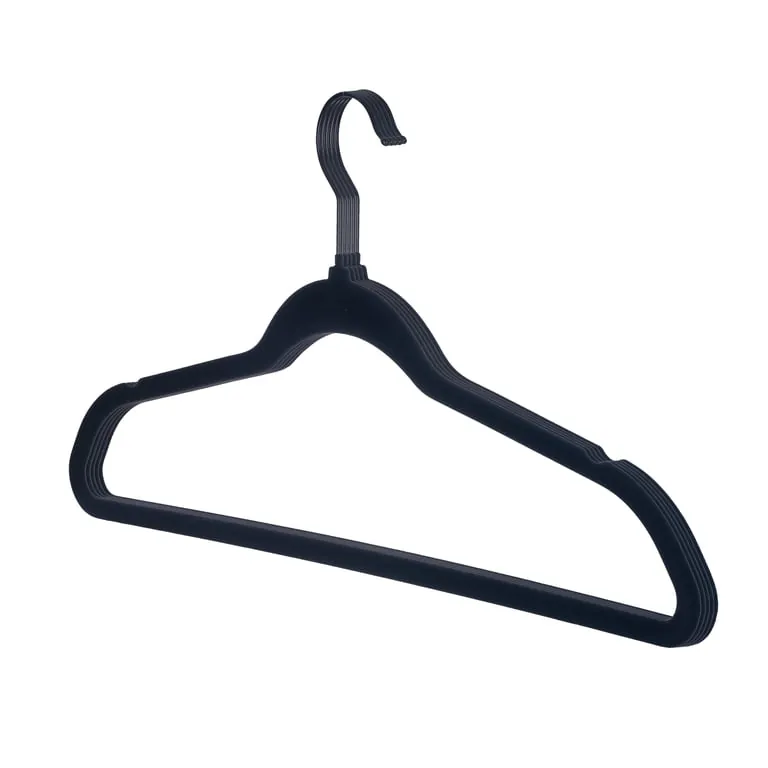
These hangers are made from a plastic or metal core coated in a thin layer of synthetic velvet. They’re designed for people who need to organize crowded closets or want to keep delicate fabrics like silk and rayon from slipping onto the floor. Unlike traditional wooden or thick plastic hangers, their slim design lets you fit more items on a single rod.
A common misconception is that all velvet hangers can hold heavy winter coats. While they’re excellent for shirts, dresses, and light sweaters, the plastic core can bend or snap under the weight of heavy, wet, or oversized outer garments. If you’re hanging a heavy coat, you should use a sturdy wooden or reinforced metal hanger instead. Always check the manufacturer’s weight rating before hanging thick items to prevent breakage and potential damage to your closet floor or clothing.
How to organize your closet efficiently
To get the most out of your hangers, you need a consistent approach to how you hang your items. Follow these steps to maximize your space effectively.
- Sort your clothing by type and weight before you begin the swap.
- Place your garment on the hanger, ensuring the shoulder seams align with the hanger’s rounded edges.
- If the item has straps, use the small side notches to secure them so they don’t slide off during movement.
- Group similar lengths together, such as keeping all your blouses on one side and longer dresses on the other.
- Face all hanger hooks in the same direction to make it easier to slide items along the rod.
- Check that the velvet covering is clean and free of loose fibers before hanging light-colored or white fabrics.
The key judgement call is how many items you pack onto the rod. If you have to force the hangers to slide, you have added too many; remove one or two items to ensure the clothes have room to breathe, which prevents wrinkling and keeps the velvet coating from wearing down prematurely.
Quick reference for hanger settings
| Situation | What to use | How long | What to watch for |
|---|---|---|---|
| Daily shirts | Standard velvet | Permanent | Faded velvet patches |
| Silk dresses | Notched velvet | Permanent | Snags on the hook |
| Heavy coats | Wood/thick metal | Seasonal | Bent plastic cores |
| Light pants | Velvet pant bar | Permanent | Creases in the middle |
| Wet garments | Drying rack | Until dry | Color bleeding/dampness |
Use wood hangers for heavy coats weighing over three pounds to prevent shoulder deformation. If you choose plastic, ensure the core is reinforced; a hollow plastic hanger will snap under the weight of a wool overcoat within one season.
For silk or delicate knits, check the notches on your velvet hangers. If the edges feel sharp to the touch, sand them down with fine-grit paper to prevent permanent snags.
When hanging trousers, fold them over the pant bar so the hem aligns with the waistband. Switch to a felt-covered clamp hanger to distribute pressure evenly.
If your closet humidity exceeds 60 percent, avoid velvet entirely. The fabric traps moisture against the garment, leading to mildew. In damp climates, stick to cedar or finished wood to protect the fabric fibers.
Pro tips for better closet organization
Experienced organizers know that preparation is the secret to a functional closet. Before you start, wipe down your closet rod with a damp cloth to remove dust and debris. If the rod is dirty, the friction of the velvet hangers will pick up that dust, making them look grey and old within weeks.
Always work in sections, starting from the back of the closet and moving toward the front. This allows you to see the progress you’re making and prevents you from getting overwhelmed by a pile of clothes.
If you notice the velvet is starting to shed or look thin, it’s time to replace the hanger. Never use a worn-out hanger for expensive items, as the exposed plastic core can snag delicate threads or cause unwanted stretching in the shoulders of your favorite pieces.
Troubleshooting common hanger issues
| What you notice | What it usually means | What to do first |
|---|---|---|
| Hanger is bending | Overloaded weight | Remove the heavy item |
| White marks on clothes | Dust accumulation | Wipe hanger with a brush |
| Velvet is shedding | Poor manufacturing quality | Replace the damaged hanger |
| Clothes are slipping | Worn-down velvet | Clean the surface |
Upgrade to heavy-duty steel hangers for heavy outerwear to prevent permanent deformation.
White marks are often confused for lint, but they’re frequently oxidized plastic or wood finish. If a dry brush fails to remove them, test the hanger by rubbing it with a damp white cloth. If color transfers, the finish is degrading and will eventually stain your garments.
Slipping is rarely about the velvet alone. If clothes still slide after cleaning, the hanger’s shoulder width is likely too narrow for the garment’s neckline. Match the hanger width to the shirt’s shoulder seam to stop the fabric from stretching and sliding off the ends.
Important rules for garment care
The primary rule when using these hangers is to keep moisture away from the velvet. If you hang damp clothing, the moisture can cause the dye from the velvet to transfer onto your clothes, especially if the fabric is light-colored or porous. Always ensure your clothes are fully dry before hanging them.
Additionally, be mindful of the hanger’s hook. Many of these hangers feature a 360-degree swivel hook, which is helpful for adjusting orientation, but the metal can sometimes be sharp. If you notice a rough edge on the hook, use a fine-grit sandpaper to smooth it out, or discard the hanger to avoid pulling threads on your knitwear.
For those with limited space, ensure your closet rod is securely mounted to the wall, as the increased density of clothes on slim hangers adds significant weight to the rod itself.
Maintaining your hangers for longevity
Once you have organized your closet, maintenance is simple but necessary. Use a lint roller or a soft-bristled garment brush to remove dust from the velvet once every few months. This keeps the surface “grippy” and ensures your clothes stay in place. If you find that the velvet has become matted, a quick pass with a handheld garment steamer—held at least 6 inches away—can often fluff up the fibers and restore the original texture.
If you store these hangers in a basement or attic, keep them in a sealed plastic bin. Exposure to high humidity can cause the velvet to degrade or attract mold, which is difficult to remove from the fabric surface. By keeping them in a cool, dry place, you can expect them to last for several years of regular use without needing a replacement.
When to choose another option
While velvet hangers are great for most items, they aren’t suitable for everything. If you’re hanging heavy leather jackets, thick wool blazers, or rain-soaked gear, a wide, contoured wooden hanger is a better choice. These provide the necessary support to maintain the shape of the shoulders.
If your garment weighs more than three pounds, skip the velvet. The friction that holds a silk blouse in place will cause the velvet flocking to shed or tear under the strain of a heavy coat.
Furthermore, if you’re working with extremely heavy garments, the velvet surface can actually make it harder to slide the item on and off the rod, causing frustration. In these cases, smooth plastic or wooden hangers allow for easier movement while still providing enough structure to protect your clothing investment. If the fabric feels stiff or rigid, choose wood. If the fabric is delicate or prone to slipping, stick with velvet.
Frequently asked questions
Can I use velvet hangers for heavy winter coats?
No, you shouldn’t use them for heavy winter coats. These hangers are designed for lightweight garments and the plastic core can easily bend or snap under the weight of a heavy, wet coat. Use a wide, contoured wooden hanger instead to maintain the shape of your outerwear.
How long do velvet hangers last?
They typically last for several years if used only for lightweight clothing and kept in a dry environment. The main sign that they need replacing is when the velvet coating starts to shed or the plastic core begins to show signs of stress or bending under the weight.
Is it safe to hang damp clothes on velvet hangers?
No, it isn’t safe for your clothing. Hanging damp items can cause the dye from the velvet to transfer onto your garments, which may permanently stain them. Always ensure your clothes are completely dry before placing them on these hangers to avoid potential damage.
How do I remove dust from velvet hangers?
You can remove dust by using a sticky lint roller or a soft-bristled garment brush. Gently brush the surface in one direction to lift away any trapped particles or lint, which helps maintain the “non-slip” grip of the hanger and keeps your clothes looking clean.
Why do my clothes keep slipping off?
Your clothes may slip if the velvet coating has worn down or become matted with dust. Try cleaning the surface with a lint roller to restore the texture; if the velvet is completely worn away, the hanger has lost its primary function and you should replace it.
What happens if I overload my closet rod?
Overloading the rod can cause it to sag or pull away from the wall mounting, potentially damaging your closet. Since slim hangers allow you to fit more items, it’s easy to exceed the weight limit of your closet rod; always check that your storage area can support the total weight.
Conclusion
Closet organization is a balance between maximizing space and protecting your clothes. By choosing the right hanger for the specific weight and fabric of your garments, you ensure that your wardrobe stays in great shape while gaining the extra room you need for your daily outfits.