
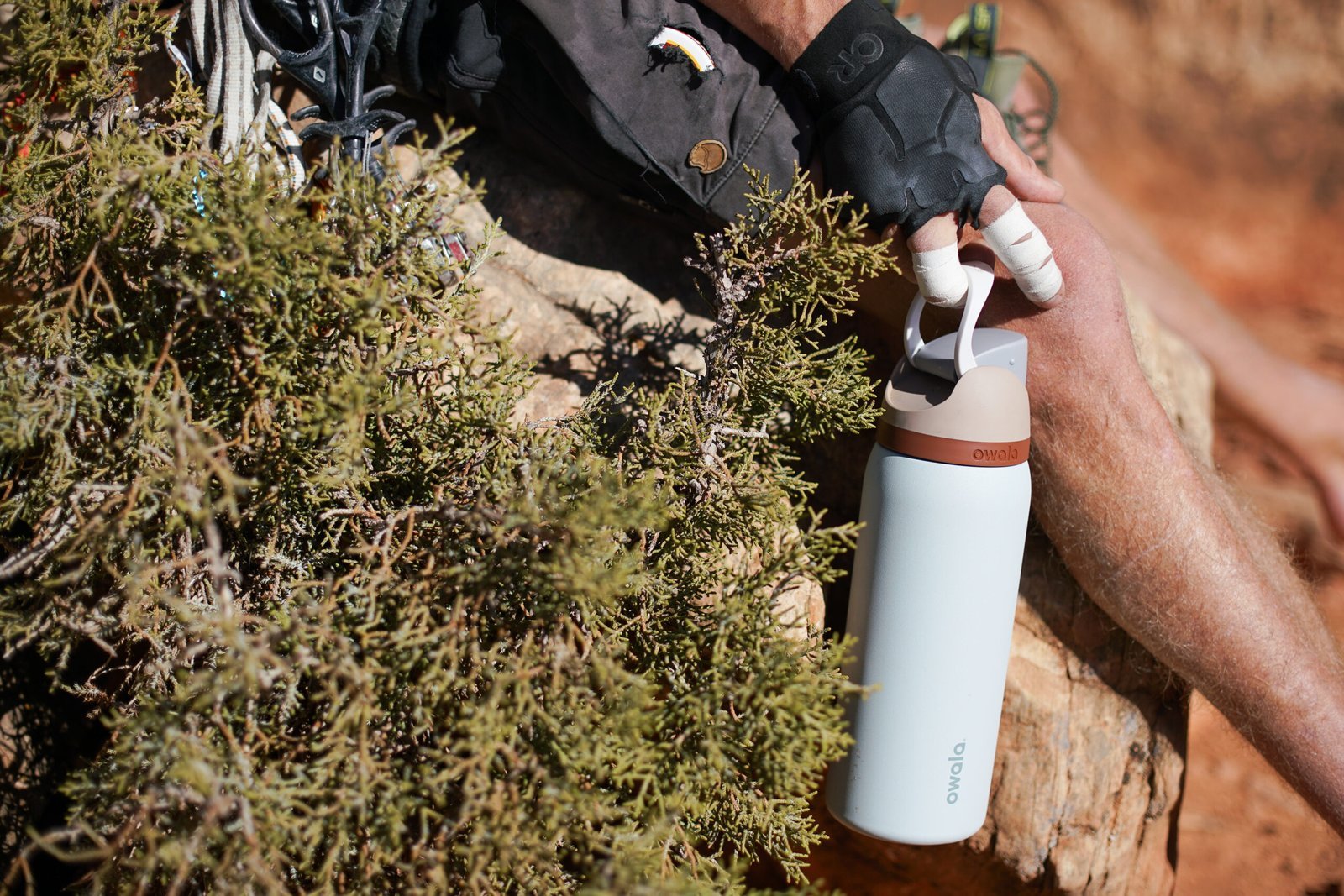
The Owala FreeSip is a highly rated hydration tool that features a unique two-way straw and spout system for versatile drinking. You’ll find that an owala freesip stainless steel water bottle review usually highlights its leak-proof design and the integrated carry loop as its standout features. This guide covers the performance, maintenance, and specific use cases for this bottle to help you decide if it fits your daily routine.
How the Owala FreeSip Works
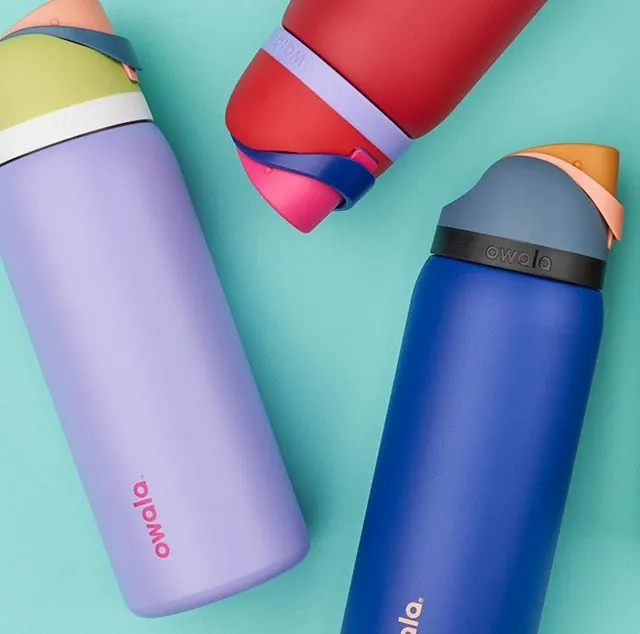
The FreeSip is a stainless steel, double-walled vacuum-insulated bottle designed for cold beverages. Its primary innovation is the lid, which contains a built-in straw for upright sipping and a wide-mouth opening for chugging. This allows you to choose your flow rate without removing the entire lid. It’s for people who want one bottle for both desk work and active gym sessions.
People often assume the bottle is dishwasher safe for all its parts, but the manufacturer notes that the lid is best placed on the top rack while hand-washing the bottle body preserves the finish. The vacuum seal works by removing air between the two layers of steel, which prevents heat transfer.
How to Maintain Your Bottle
- Rinse the bottle and lid with warm, soapy water before your first use.
- Fill the bottle with your preferred cold drink, leaving at least 1 inch of space at the top to prevent spills when closing.
- Press the button on the front of the lid to flip the cover open.
- Use the straw for controlled sipping or tilt the bottle back to use the wide opening for a faster flow.
- Push the lid cover down until it clicks to lock the bottle, which ensures it remains leak-proof during travel.
- Disassemble the straw and the silicone gasket inside the lid once a week to scrub away any trapped residue.
Proper cleaning is essential to prevent mold growth in the straw mechanism. If you notice a persistent smell, soak the lid parts in a mixture of white vinegar and water for 30 minutes, then rinse thoroughly.
Quick Reference for Daily Use
| Situation | What to use | How long | What to watch for |
|---|---|---|---|
| Daily office use | Straw mode | All day | Keep lid locked |
| Intense gym workout | Wide-mouth mode | 2-3 hours | Check for sweat |
| Long road trips | Both modes | 24 hours | Ensure seal click |
| Cleaning cycle | Mild soap | 5 minutes | Inspect the gasket |
| Freezer storage | Not recommended | N/A | Risk of expansion |
For road trips, always verify the seal click by pressing the center of the lid after closing.
Avoid the common mistake of using abrasive sponges on the internal coating. This strips the protective layer, causing metallic aftertastes within weeks. Use a soft silicone brush instead.
If you’re storing liquids with high sugar content, rinse the straw every four hours. Sugar buildup creates a breeding ground for bacteria that simple soap cycles can’t remove. If the straw feels sticky after a rinse, soak it in a vinegar solution for ten minutes before your next use.
Mastering the Flow and Seal
The secret to a great experience with this bottle lies in how you handle the lid gasket. Experienced users know to check that the silicone seal is seated perfectly flat after every wash. If the gasket is slightly twisted or pinched, the bottle will lose its leak-proof status and may drip when tipped sideways in a bag.
Run your finger along the inner rim of the lid before closing. If you feel a gap or a ripple in the silicone, pull the gasket out entirely and press it back into the groove. A properly seated seal should feel uniform and firm to the touch.
Always check the button mechanism for debris. If you frequently drink sugary sports drinks or coffee with cream, residue can build up inside the flip-top hinge. If the button feels sticky, use a soft toothbrush to clear the hinge area. Never force the button if it feels stuck. Instead, soak the lid in warm water for ten minutes to loosen any dried sugar that might be preventing the latch from moving freely.
Troubleshooting Common Issues
| What you notice | What it usually means | What to do first |
|---|---|---|
| Leaking at the lid | Gasket is misaligned | Remove and reseat seal |
| Straw not pulling | Air lock or blockage | Clear the straw base |
| Button stays down | Sticky sugar buildup | Soak lid in warm water |
| Metallic taste | Residual manufacturing oil | Deep clean with vinegar |
If the lid leaks despite a reseated gasket, check for a hairline crack along the plastic rim. A tiny fracture often mimics a loose seal but requires a full lid replacement to stop the drip.
When the straw fails, look for a collapsed silicone valve at the base. If the valve is pinched shut, the vacuum prevents liquid flow. Simply pinch the valve open with your fingers to restore suction.
Sticky buttons are usually caused by dried sports drink residue. If a ten-minute soak fails, use a cotton swab dipped in rubbing alcohol to dissolve the hardened syrup inside the spring mechanism.
If you taste metal after three deep cleanings, the protective coating may be compromised. Stop using the bottle immediately. A metallic tang often signals that the interior lining has been scratched by abrasive scrubbers, exposing the raw aluminum or steel to acidic beverages. Always use a soft sponge to preserve the integrity of the inner wall.
Regulatory Safety Standards
The materials used in these bottles must meet federal safety requirements for food contact surfaces. In the United States, the Consumer Product Safety Commission monitors products for lead and other harmful substances in coatings and steel. If you’re concerned about the specific materials in your batch, check the manufacturer’s official website for their latest compliance certificates.
The bottle isn’t intended for use with carbonated beverages, as the pressure buildup can force liquid through the straw or cause the lid to pop open unexpectedly. If you must use carbonated drinks, do so with caution and never fill the bottle to the brim. Always keep the bottle upright when the contents are carbonated to minimize pressure against the lid seal.
Carbonation creates enough force to compromise the silicone gasket, leading to slow leaks that ruin electronics in your bag.
Care and Long-Term Maintenance
To keep the insulation performing for years, avoid dropping the bottle on hard surfaces. A dent in the outer wall can compromise the vacuum seal, leading to a loss of temperature retention. If the bottle feels warm to the touch when filled with ice water, the vacuum has been breached and the insulation is no longer effective.
Store the bottle with the lid off when not in use for long periods. This allows the interior to dry completely, preventing stale odors. If you store it in a humid environment, the exterior powder coating may eventually show signs of wear, but this is cosmetic and doesn’t affect the water quality. You can restore the grip of the exterior by wiping it with a damp microfiber cloth to remove dust.
When to Choose Alternatives
This bottle isn’t ideal for hot liquids, as the plastic straw and lid are designed primarily for cold beverages. Exposing these components to temperatures above 140 degrees Fahrenheit risks warping the straw and degrading the internal silicone seal, which causes persistent leaking. If you need a bottle for hot coffee or tea, look for a standard wide-mouth bottle with a vacuum-insulated steel lid.
Additionally, if you need to track exact ounces for medical reasons, the FreeSip doesn’t feature exterior volume markings. In that case, a graduated sports bottle is the practical choice. Relying on visual estimation leads to errors that can exceed 10 percent of your daily intake.
If you find yourself needing to monitor hydration for health recovery, choose a bottle with translucent walls and printed milliliter gradients. If your priority is simply keeping water ice-cold for twelve hours, stick with the insulated steel construction of the FreeSip.
Frequently asked questions
Can I put the Owala FreeSip in the dishwasher?
Yes, the bottle body is safe for the dishwasher, but hand-washing is recommended to keep the powder-coated finish looking new. Always place the plastic lid components on the top rack to avoid high heat, which can warp the seals and cause leaks.
How long does it keep water cold?
It keeps drinks cold for up to 24 hours when filled with ice and kept in a moderate environment. This timing varies based on the starting temperature of the liquid and how often you open the lid, which lets heat enter the container.
Is the bottle leak-proof?
Yes, the bottle is designed to be leak-proof when the lid is closed and the button is in the locked position. Always ensure the lid is screwed on tightly and the flip-top is securely clicked shut before putting it into a bag or backpack.
Why is my straw not working?
The straw may not work if it isn’t pushed firmly into the base of the lid or if the air vent is blocked. Check that the straw is seated correctly and that no debris is stuck in the small air hole located near the drinking spout.
Can I use this for hot beverages?
No, the bottle is designed for cold beverages and isn’t intended for hot liquids. Using hot liquids can cause pressure to build up inside the straw, leading to splashes when you open the lid, and may damage the plastic parts.
What should I do if the button breaks?
If the button mechanism fails, contact the manufacturer’s customer support through their official website for a warranty claim. Don’t attempt to glue the button or disassemble the spring mechanism yourself, as this will void your warranty and may cause further damage.
Conclusion
The Owala FreeSip remains a top choice for those prioritizing ease of use and versatility in a daily water bottle. By following the simple cleaning and maintenance steps outlined above, you can ensure the bottle performs reliably for your hydration needs.