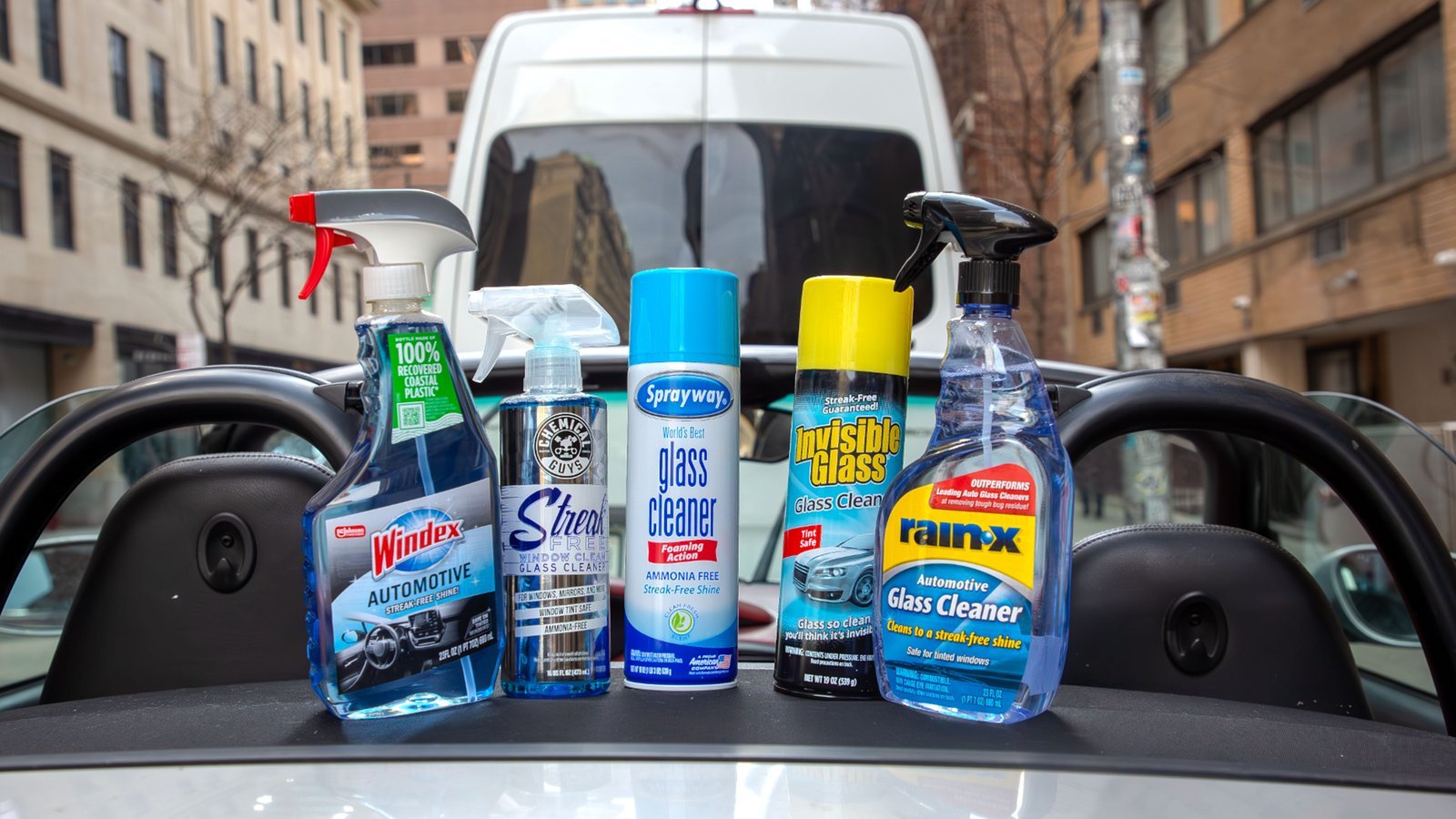
You can safely use standard household window cleaner on your vehicle’s glass provided it doesn’t contain ammonia, as this chemical can damage interior components and window tints. While household glass cleaners are effective for cutting through light road grime and dust on the exterior, they’re often formulated for residential glass rather than automotive surfaces. For the best results, you should ensure that your chosen cleaning method accounts for the specific needs of tempered automotive glass and any aftermarket films you may have applied to your windows.
Key Takeaways
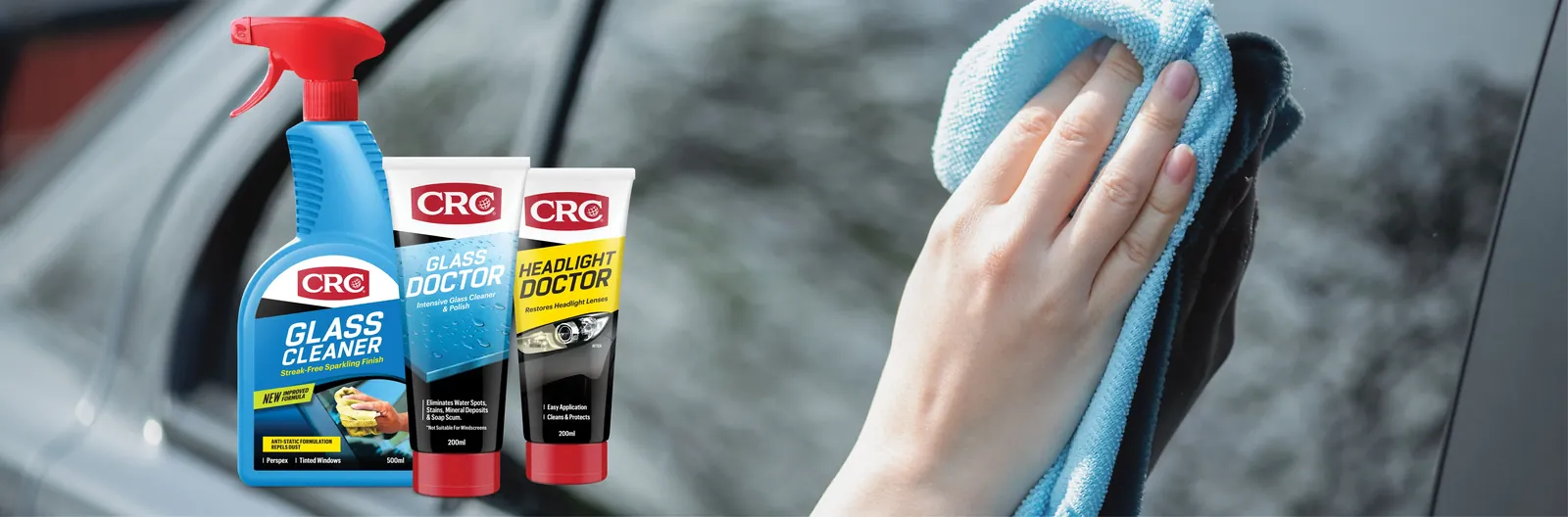
- Avoid any cleaning products containing ammonia, as they can degrade window tints and damage dashboard plastics.
- Always use a clean microfiber towel to prevent scratching the glass surface during the wiping process.
- Clean your windows in the shade to prevent the solution from drying too quickly, which leaves unsightly streaks.
- Apply the cleaner directly to your cloth rather than spraying it onto the glass to protect interior electronics.
- Regular maintenance of your windshield improves visibility and ensures your vehicle’s safety systems function correctly.
How to use window cleaner on car windows
Using a standard household cleaner on your car requires a specific approach to avoid streaks or damage. When you use window cleaner on car windows, the goal is to remove contaminants without leaving a hazy film behind. Start by ensuring the glass is cool to the touch, as heat causes the liquid to evaporate prematurely, leaving behind detergent residue.
Use a high-quality microfiber cloth, as these are designed to trap dirt particles rather than pushing them around the surface. If you’re cleaning the interior, spray the cleaner onto the towel first to avoid getting chemicals on your dashboard or upholstery, which can cause discoloration or spotting.
Selecting the right cleaning products
Not all glass cleaners are created equal, and the chemical composition matters significantly for automotive applications. Household cleaners often prioritize high-evaporation formulas for mirrors, but those may contain solvents that are too harsh for automotive seals or leather surfaces. When selecting a product, check the label for ammonia or alcohol content.
Ammonia is the primary culprit behind the bubbling or peeling of aftermarket window tint films. If you’re uncertain about the ingredients in your current cleaner, it’s safer to use a specialized automotive glass cleaner or a simple mixture of distilled water and white vinegar.
| Cleaning Solution Type | Best Use Case | Ammonia Content |
|---|---|---|
| Household Spray | Exterior glass | Often present |
| Automotive Glass Cleaner | Interior and exterior | Usually absent |
| Vinegar and Water | Natural, streak-free | None |
| Distilled Water | Light dust removal | None |
Why avoid ammonia in glass cleaners?
Ammonia is a powerful degreaser, which makes it excellent for residential windows, but it poses a significant risk to the interior of a vehicle. According to the Environmental Protection Agency guidelines regarding household chemicals, ammonia can be respiratory-irritating and reacts negatively with certain synthetic materials.
In a car, this chemical can seep into the edges of window tints, causing the adhesive to fail and leading to bubbling or purple discoloration. Furthermore, if you accidentally spray ammonia-based cleaners onto your dashboard or leather seats, it can strip the protective finish, leading to cracking or premature aging of those expensive interior materials.
Proper cleaning techniques for glass
To achieve a professional finish, follow a systematic approach that minimizes the risk of streaks. Begin at the top of the window and work your way down, using a horizontal motion for the interior and a vertical motion for the exterior. This technique allows you to quickly identify which side of the glass a streak might be on if one remains after drying.
Always use two towels: one for the initial wipe to remove the bulk of the dirt and a second, dry microfiber cloth for buffing the glass to a crystal-clear finish. This two-towel method is the secret to avoiding the “smear” that often occurs when a cloth becomes saturated with grime.
Can you use newspaper for drying?
Many people swear by the old-fashioned method of using newspaper to polish glass, but this is generally discouraged for modern vehicles. While the ink and paper density were once effective for residential windows, modern newspaper ink can leave a residue on your glass.
Additionally, the abrasive nature of paper fibers can cause micro-scratches on delicate window tints. Stick to clean, lint-free microfiber towels, which are specifically engineered to pick up dirt and absorb moisture without leaving behind the fibers or chemical deposits associated with newsprint.
Managing exterior versus interior glass
The challenges posed by interior and exterior glass are distinct. Exterior glass accumulates road salt, bug splatter, tree sap, and exhaust film, which requires a more aggressive cleaning approach. You may need a clay bar or a specialized glass polish if the surface feels rough to the touch.
Interior glass, conversely, is primarily affected by “outgassing,” a process where the plastics and adhesives in your dashboard release vapors that condense on the inside of your windshield, creating a greasy, hazy film. This layer is stubborn and often requires a dedicated glass cleaner that cuts through oils rather than just surface dust.
Essential tools for perfect windows
Investing in a few specific tools will make the process of cleaning your car windows much easier and more effective. You don’t need expensive machinery, but having the right accessories ensures that you don’t damage your vehicle while you work.
- Microfiber Towels: High-density cloths that trap dust.
- Glass Cleaner: Ammonia-free formulas intended for automotive use.
- Detailing Brush: Helpful for cleaning the tight corners where the glass meets the dashboard.
- Clay Bar: Used to remove embedded contaminants from the exterior windshield.
- Spray Bottle: For applying custom mixtures of distilled water and vinegar.
Troubleshooting common cleaning issues
If you notice that your windows still look streaky after a thorough cleaning, you may be dealing with one of several common issues. First, check if your towels are clean; a towel used on a dirty wheel or exterior panel will transfer grease to the glass, making it impossible to get a streak-free shine.
Second, ensure you aren’t cleaning in direct sunlight, which is the most common cause of rapid evaporation. If you’re seeing a “haze” on the inside, it’s likely the result of dashboard outgassing, which requires a slightly stronger solvent—like a small amount of isopropyl alcohol—to cut through the oily film.
| Issue | Likely Cause | Solution |
|---|---|---|
| Streaking | Dirty towels or direct sun | Use fresh towels in the shade |
| Hazy Film | Dashboard outgassing | Use alcohol-based cleaner |
| Bubbling Tint | Ammonia content | Replace tint and use cleaner |
| Micro-scratches | Abrasive paper or cloths | Use clean microfiber towels |
Maintaining windshield wiper efficiency
Your windshield wipers play a vital role in keeping your glass clean, but they can also become a source of streaks themselves. Over time, the rubber blades accumulate road grime and debris that get pressed into the windshield during use. When you clean your windows, take a moment to wipe down the rubber blades with a damp microfiber cloth.
If you see a gray or black residue coming off on the towel, keep cleaning until the cloth comes away clean. If the blades are cracked or brittle, no amount of window cleaning will prevent streaks; in these cases, replacing the wipers is the only effective solution.
Safety considerations for clear vision
Clear windows aren’t just about aesthetics; they’re a critical safety feature. A dirty windshield can significantly increase glare during night driving, as the light from oncoming headlights scatters across the grime and film on your glass. This creates a “starburst” effect that can momentarily blind you.
By keeping your glass clean, you maintain the effectiveness of your vehicle’s safety systems, such as rain-sensing wipers or lane-departure cameras, which are often mounted behind the windshield. A clean exterior and interior surface ensure that these sensors can “see” the road ahead with the clarity the manufacturer intended.
Pro tips for automotive glass care
Pro Tip: If you find that your windshield has stubborn water spots that regular glass cleaner can’t remove, try using a mixture of equal parts white vinegar and distilled water. The mild acidity of the vinegar helps to dissolve mineral deposits left behind by hard water or rain, effectively restoring the clarity of the glass without the need for harsh chemicals.
Warning: Never use abrasive scouring pads or steel wool on your car windows. Even fine-grade steel wool can leave permanent scratches on glass, especially if the window has a factory-applied UV coating or aftermarket tint. Always stick to soft, non-abrasive materials to ensure the longevity of your window surfaces.
Frequently Asked Questions
Is it safe to use Windex on car windows?
Most standard Windex products contain ammonia, which is harmful to tinted windows and certain interior plastics. If your car windows aren’t tinted, you might use it sparingly, but it’s generally recommended to avoid it entirely. Using an ammonia-free cleaner or a dedicated automotive glass product is the safest way to ensure you don’t damage your vehicle’s surfaces or interior trim over time.
Why do my car windows look streaky after cleaning?
Streaks are usually caused by cleaning in direct sunlight, using dirty towels, or using too much product. When the cleaner evaporates too quickly, it leaves behind detergent residue. To avoid this, clean your windows in the shade and use a second, dry microfiber cloth to buff the glass immediately after wiping. If streaks persist, your towels may be contaminated with wax or grease.
How often should I clean the inside of my windshield?
You should clean the interior of your windshield at least once every month, or whenever you notice a hazy film or reduced visibility. The interior glass collects oils from the air, dust, and outgassing from dashboard materials, which can create a dangerous glare at night. Keeping this surface clean significantly improves your visibility and makes driving safer in low-light conditions.
Can vinegar damage my car windows?
A solution of white vinegar and distilled water is perfectly safe for glass and is a common, effective home remedy for cleaning automotive windows. However, avoid getting concentrated vinegar on your paintwork or rubber window seals, as it’s acidic and can potentially cause spotting or deterioration if left to sit for long periods. Always wipe away any overspray from your vehicle’s body panels immediately.
Should I clean the windows before or after washing the car?
It’s best to clean your windows after you have washed and dried the entire vehicle. Washing the car removes the bulk of the road grime and prevents you from accidentally spreading exterior dirt onto your freshly cleaned glass. Additionally, washing the car first ensures that the surrounding trim and roof are clean, meaning no leftover soapy water or grit will run down onto your windows.
Conclusion
Maintaining clear, streak-free windows is a simple but essential part of vehicle ownership that enhances both the appearance and the safety of your drive. By avoiding ammonia-based products, utilizing high-quality microfiber cloths, and cleaning your windows in the shade, you can achieve professional results at home. Start by gathering your supplies and dedicating fifteen minutes this weekend to a thorough interior and exterior glass cleaning session to improve your visibility on the road.