
Selecting the right equipment for exterior cleaning requires understanding the different types of pressure washers available on the market today. Whether you’re dealing with stubborn driveway stains, weathered siding, or a dirty vehicle, choosing the correct power source and pressure rating is essential for safety and efficiency. Prices for these machines vary significantly based on their power output and build quality; you can expect to pay anywhere from $80 to $350 for entry-level residential models, while professional-grade equipment typically ranges from $600 to $2,500.
Key Takeaways
- Electric models are ideal for light-duty residential tasks like washing cars or patio furniture.
- Gas-powered units provide the high flow rates necessary for heavy-duty driveway and deck cleaning.
- Hot water pressure washers are essential for removing grease and oil from concrete surfaces.
- Always match your nozzle tip color to the surface material to prevent permanent damage.
- Proper maintenance, including winterizing the pump, will significantly extend the lifespan of any unit.
Understanding Pressure Washer Power Sources
The primary distinction among units is the engine or motor used to drive the pump. This choice dictates where you can use the machine and how much cleaning power it generates.
Electric Pressure Washers
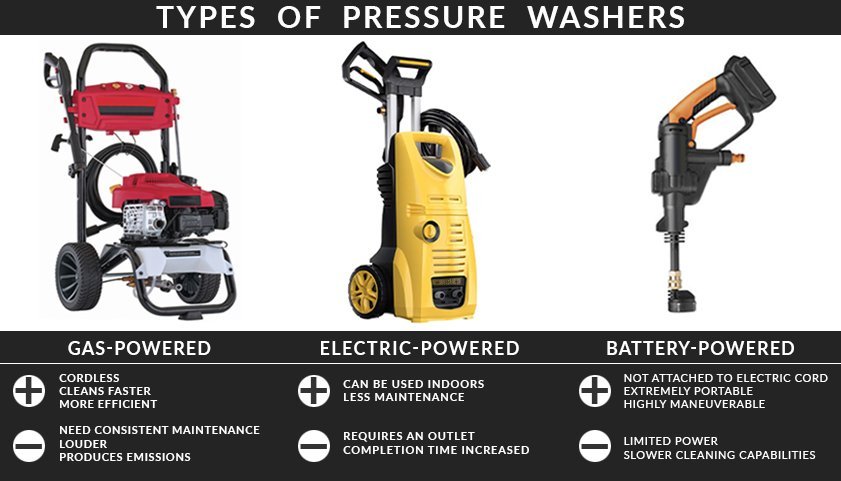
Electric units are compact, quiet, and require minimal maintenance. They operate by plugging into a standard household outlet. These machines are best suited for homeowners who need to clean small areas, such as walkways, fences, or vehicles. Brands like Sun Joe, Ryobi, and Greenworks offer popular models in this category. Because they produce lower pressure and flow, they’re less likely to damage delicate surfaces like wood or vinyl siding.
Gas Pressure Washers
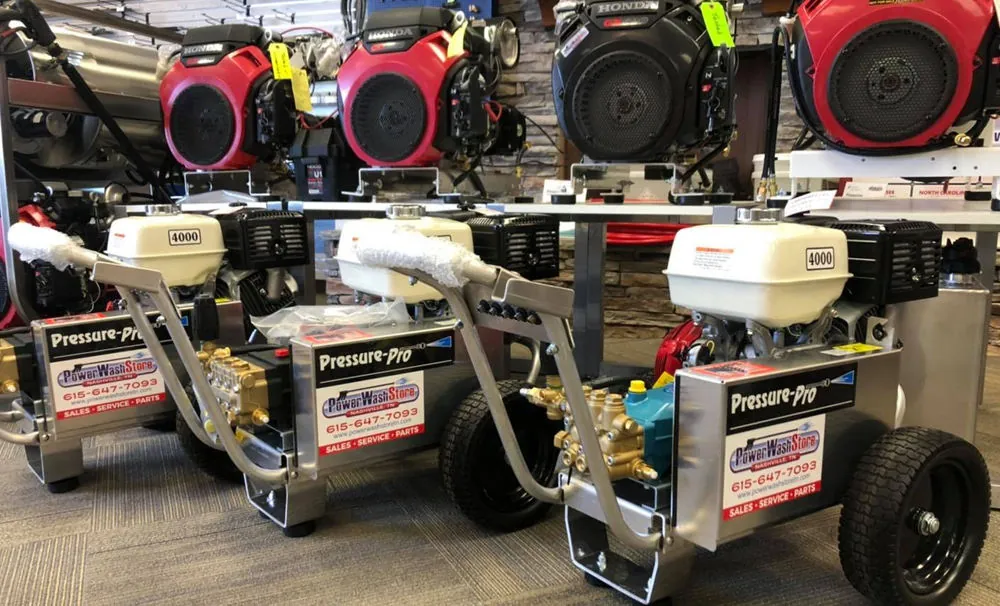
Gas-powered machines offer superior mobility and power. They’re independent of electrical outlets, making them perfect for large properties. Engines from manufacturers like Honda, Briggs & Stratton, and Kohler provide the torque needed for high-pressure pumps. These units are heavy and require regular engine maintenance, such as oil changes and spark plug replacements. Use these for stripping paint, deep-cleaning concrete, or tackling large-scale projects.
Choosing Between Different Types of Pressure Washers
Before purchasing, you must match the machine’s capabilities with the task at hand. Pressure is measured in Pounds per Square Inch (PSI), while the volume of water is measured in Gallons Per Minute (GPM).
| Task Type | Recommended PSI | Recommended GPM |
|---|---|---|
| Light (Furniture/Cars) | 1,500–2,000 | 1.0–1.5 |
| Medium (Decks/Fences) | 2,000–2,800 | 2.0–2.5 |
| Heavy (Driveways/Paint) | 3,000–4,000 | 3.0–4.0 |
Cold Water vs. Hot Water
While most residential units use cold water, industrial-grade machines often incorporate heating elements.
Cold Water Units
These are the standard for most residential and light commercial applications. They rely on high-pressure force and cleaning detergents to lift dirt. They’re cost-effective and sufficient for most dust, mud, and organic growth removal.
Hot Water Units
These machines feature a burner, typically fueled by diesel or kerosene, to heat the water. Heat is the most effective way to break the molecular bonds of grease, oil, and grime. If you’re cleaning a garage floor or heavy machinery, a hot water unit is a critical investment.
Essential Nozzle Selection Guide
The nozzle dictates the spray pattern and intensity of the water. Using the wrong tip can easily gouge wood or strip paint off a vehicle.
- Red (0-degree): A concentrated, pencil-thin stream. Use only for extremely tough, localized stains on concrete. Never use on cars or wood.
- Yellow (15-degree): A narrow fan spray for heavy-duty cleaning and paint stripping.
- Green (25-degree): A medium fan spray for general house cleaning and washing surfaces like brick or siding.
- White (40-degree): A wide fan spray for rinsing surfaces and delicate cleaning, such as windows or screens.
- Black (Soap): A low-pressure nozzle designed to apply cleaning detergents safely.
Safety and Operational Standards
Warning: Never point a high-pressure nozzle at people, pets, or electrical components, as the high-velocity water can cause severe lacerations or puncture wounds.
When operating high-pressure equipment, you must prioritize personal safety. According to the Consumer Product Safety Commission, you should always wear protective eyewear, long pants, and sturdy footwear to prevent injury from flying debris or accidental contact with the spray. Ensure that the equipment is grounded correctly if using an electric model, and always keep the engine exhaust away from enclosed spaces if using a gas model.
Maintenance for Longevity
To keep your equipment running smoothly, follow a consistent maintenance schedule. For gas engines, check the oil levels before every use and replace the oil according to the manufacturer’s manual. For all types, ensure you flush the system with clean water after using detergents to prevent chemical buildup in the pump.
Pump preservation is the most critical aspect of maintenance. If you live in a climate where temperatures drop below freezing, you must use a pump protector or antifreeze solution to prevent internal water from freezing, expanding, and cracking the pump housing.
Comparing Commercial and Residential Units
Commercial units are built with higher-quality components, such as brass pump heads and ceramic pistons, which are designed for daily use.
| Feature | Residential Unit | Commercial Unit |
|---|---|---|
| Pump Material | Aluminum | Brass/Ceramic |
| Expected Life | 100–200 Hours | 1,000+ Hours |
| Portability | High | Low |
| Repairability | Limited | High |
Pro Tips for Effective Cleaning
Pro Tip: When applying soap, always work from the bottom of the structure to the top to prevent streaking; however, when rinsing, work from the top down to ensure all residue is removed efficiently.
Always test your pressure setting on an inconspicuous area before tackling the main surface. If you’re cleaning a wooden deck, start with a lower pressure setting and a wider fan nozzle to avoid damaging the wood grain. If the surface remains dirty, move to a higher pressure setting in small increments.
Common Troubleshooting Scenarios
If your machine is failing to build pressure, first check the water supply. Ensure the garden hose isn’t kinked and that the water flow rate meets the minimum requirement of your pump. A restricted water intake is the most common cause of pump cavitation, which can destroy the unit quickly.
If the machine surges or pulses, there may be air trapped in the system or a clogged nozzle tip. Remove the nozzle and clean it with a small wire tool. If the problem persists, check the inlet filter for debris. Most units have a small mesh screen that traps sediment from the water source; cleaning this screen regularly can resolve many performance issues.
Frequently Asked Questions
Can I use a pressure washer to clean my roof?
Cleaning a roof with a pressure washer is generally discouraged. The high pressure can force water under shingles, leading to rot and structural damage, or strip the protective granules off asphalt shingles. Experts recommend using a low-pressure chemical cleaning solution applied via a garden sprayer, followed by a gentle rinse, to safely remove algae and moss without causing mechanical damage to the roofing materials.
Why is my pressure washer leaking water?
Leaking usually occurs at the hose connections or the pump seals. Check that all O-rings are present and not cracked, as these rubber seals create the airtight connection necessary for pressure. If the leak is coming from the pump itself, it may indicate a worn-out high-pressure seal. In this case, you may need to order a repair kit from the manufacturer to replace the internal components.
Is it safe to use bleach in my washer?
Most pressure washer pumps aren’t designed to handle harsh chemicals like undiluted bleach, which can corrode internal seals and metal components. If you must use bleach, ensure your machine has a dedicated downstream chemical injector that dilutes the mixture before it enters the pump. Always check the user manual to confirm which detergents are compatible with your specific model to avoid voiding your warranty.
How often should I change the oil?
For gas-powered models, you should perform an initial oil change after the first five hours of operation to remove any metal shavings from the break-in period. Subsequently, change the oil every 50 hours of use or once per season. Using high-quality synthetic oil can help the engine run cooler and extend the life of the internal components, especially in high-temperature environments or during extended cleaning sessions.
Can I leave my pressure washer outside?
Leaving your unit outside exposes it to UV rays, which degrade plastic parts, and moisture, which leads to rust. Always store your equipment in a dry, covered area like a shed or garage. If you must store it in an unheated space during winter, ensure the pump is completely drained of water and treated with pump saver fluid to prevent internal freezing and component failure.
Conclusion
Following these guidelines will help you maintain your equipment and achieve professional results on your next home improvement project. Whether you select a compact electric unit for light chores or a robust gas model for heavy-duty work, consistent care and correct nozzle usage are the keys to success. Take time to inspect your machine before each use, and you’ll enjoy years of reliable performance.