
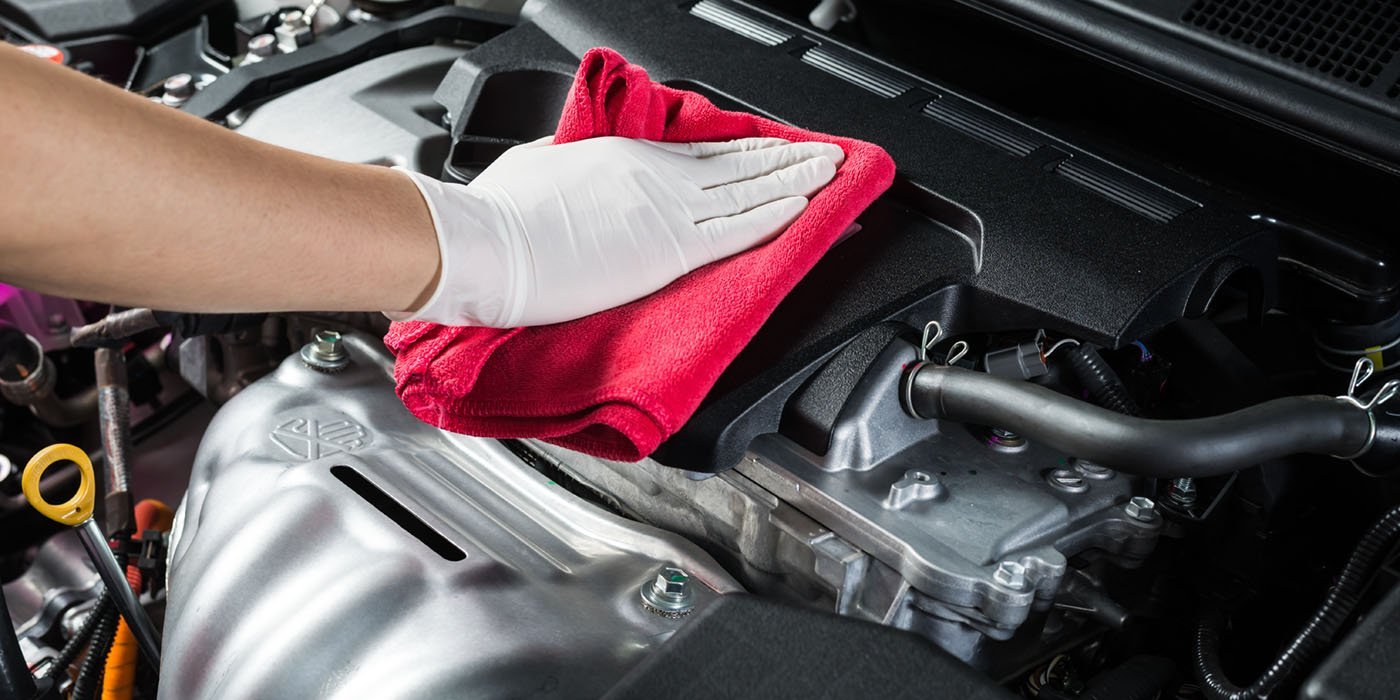
While car engines don’t require frequent cleaning to function, keeping the bay tidy provides significant long-term benefits for maintenance and longevity. A pristine engine bay allows you to spot leaks, cracks, or loose components before they lead to catastrophic mechanical failure. If you’re curious about the cost of professional detailing, you can expect to pay between $100 and $300 for a thorough, expert engine bay cleaning service, depending on your vehicle’s size and the level of grime accumulation.
Key Takeaways
- Cleaning the engine bay helps you identify hidden oil leaks or cooling system cracks.
- Preventing debris buildup protects delicate plastic and rubber components from premature dry rot.
- Always protect sensitive electronic sensors and the alternator with plastic covers before applying water.
- Use a dedicated degreaser rather than harsh household soaps to avoid damaging aluminum finishes.
- Keeping the engine clean can improve resale value by presenting a well-maintained appearance to buyers.
Do Car Engines Need To Be Cleaned?
While your engine will run perfectly fine while covered in a layer of road dust and pollen, regular cleaning is a proactive maintenance habit. Most modern vehicle manuals don’t mandate engine bay cleaning, but environmental factors often make it necessary. Accumulated grit, salt, and grime can trap moisture against metal surfaces, which accelerates corrosion on electrical connectors and exposed fasteners.
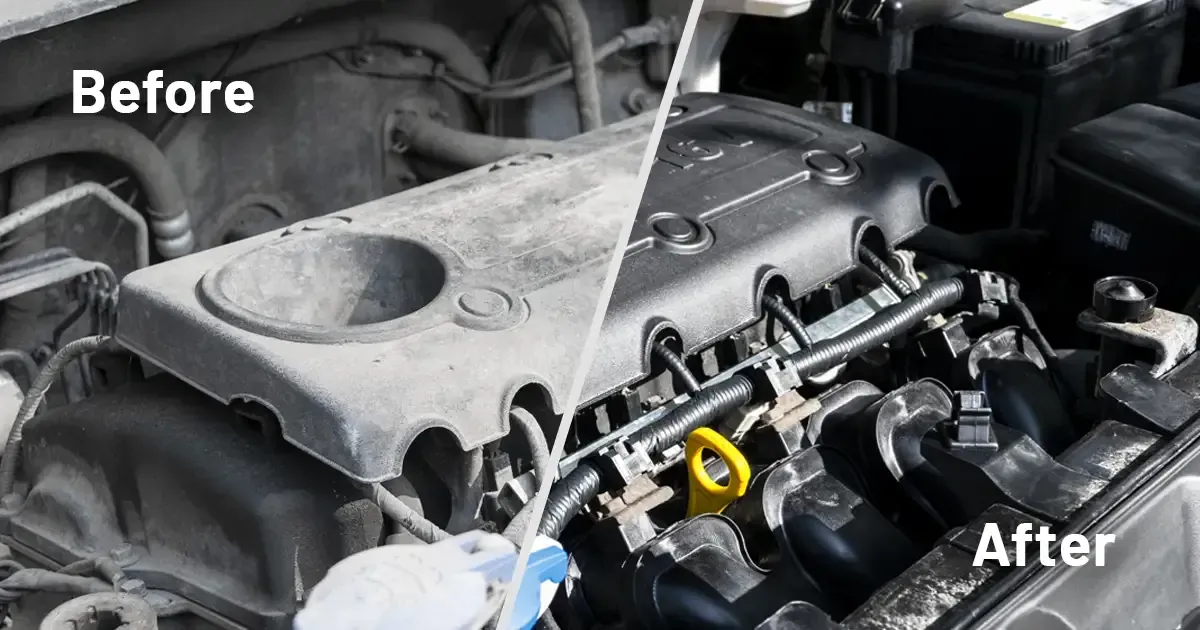
Furthermore, a clean engine runs slightly cooler. While the difference is often negligible in daily driving, heavy debris buildup can act as an insulator, preventing heat from dissipating properly. More importantly, an engine covered in thick, caked-on oil and sludge can mask dangerous issues.
If you have a small oil leak, it’s nearly impossible to track the source if the entire block is coated in years of road grime. By cleaning the bay, you create a baseline that makes future inspections much simpler and more accurate.
Risks of Improper Engine Cleaning
Cleaning an engine isn’t as simple as spraying a garden hose under the hood. Modern vehicles are packed with sophisticated electronics, including the Engine Control Unit (ECU), ignition coils, and various sensors that are sensitive to direct water pressure. Using a high-pressure power washer can force water into sealed electrical connectors, leading to short circuits or corroded pins that are expensive to replace.
Another significant risk involves the intake system. If water is forced into the air intake, it can lead to hydrolock, a condition where liquid enters the cylinders, potentially causing severe internal damage. Additionally, harsh chemicals can etch or discolor aluminum components like valve covers or heat shields. Always prioritize safety by using low-pressure water and mild, automotive-specific cleaning agents.
Essential Tools for Engine Detailing
To achieve professional results without damaging your vehicle, you need a specific set of tools. Avoid using abrasive brushes on painted surfaces or delicate plastic housings.
| Tool Category | Recommended Items | Purpose |
|---|---|---|
| Cleaning Agents | Citrus-based degreaser, All-purpose cleaner | Breaking down oil and heavy road grime |
| Brushes | Boar hair brush, soft-bristled wheel brush | Agitating dirt in tight, hard-to-reach areas |
| Drying Equipment | Microfiber towels, leaf blower | Removing standing water from electrical areas |
| Protection | Plastic bags, painter’s tape | Shielding the alternator and air intake |
Step-by-Step Cleaning Process
Begin by ensuring the engine is completely cool. Spraying cold water onto a hot engine block can cause thermal shock, potentially cracking metal components or causing warping. Once cool, cover your alternator, air intake, and any exposed battery terminals with plastic bags or heavy-duty foil. Secure these covers with painter’s tape to ensure a watertight seal.
Spray your chosen degreaser liberally over the engine bay, starting from the back and working your way toward the front. Let the product dwell for three to five minutes, but don’t allow it to dry completely. Use your brushes to agitate the grime in corners and crevices.
Once the dirt is loosened, rinse gently with a low-pressure stream of water. Finally, use a leaf blower to force water out of every crevice, then finish by wiping down all surfaces with a clean microfiber towel to prevent water spots.
Choosing the Right Cleaning Products
Not all degreasers are created equal. You should select products based on the severity of the buildup and the materials present in your bay.
- Citrus Degreasers: These are excellent for light to medium oil buildup and are generally safer for rubber hoses and plastic trims.
- Alkaline Cleaners: Best for heavy, caked-on sludge, but they require careful rinsing to ensure no residue remains on aluminum surfaces.
- Water-Based Dressings: Once the engine is clean and dry, apply a non-silicone dressing to plastics and hoses to keep them supple and prevent cracking.
Warning: Never use flammable solvents like gasoline or kerosene to clean your engine bay, as these leave a residue that can ignite once the engine reaches operating temperature.
Maintaining Your Engine Bay Appearance
Once you have completed the initial deep clean, maintenance becomes significantly easier. You don’t need to perform a full detail more than once or twice a year. In between these major sessions, you can simply wipe down dust and debris with a damp cloth during your routine oil changes. This prevents the buildup of thick sludge that requires heavy scrubbing later.
If you live in a region that experiences heavy snow and uses road salt during the winter, consider a quick rinse of the engine bay in the spring. Salt is highly corrosive and can eat through wiring harnesses and metal brackets if left unchecked. A simple, low-pressure rinse will remove these contaminants and extend the life of your vehicle’s components.
Frequently Asked Questions
Is it safe to wash my engine with water?
Yes, it’s safe if done correctly. You must use low-pressure water and avoid spraying directly into electrical components, the air intake, or the alternator. Always ensure the engine is cool before beginning, and use a leaf blower or compressed air to remove standing water from sensitive areas after rinsing to prevent corrosion or electrical shorts.
How often should I clean the engine?
Most experts recommend cleaning the engine bay once or twice a year. This frequency is usually sufficient to prevent the buildup of corrosive salt, dust, and oil sludge. If you frequently drive on dirt roads or in areas with heavy winter road salting, you might consider a light, rinse-only maintenance cycle every few months to protect the metal components.
Can engine cleaning cause a check engine light?
Cleaning can trigger a check engine light if water enters a sensitive electrical sensor, such as the Mass Air Flow (MAF) sensor or ignition coil packs. This is usually a temporary issue caused by moisture. To minimize this risk, always cover sensitive electronics with plastic and avoid high-pressure water spray. If a light appears, allow the engine to dry thoroughly before driving.
Should the engine be running while I clean it?
No, the engine should always be turned off and allowed to cool completely before you begin the cleaning process. Cleaning a running engine is dangerous, as you could be injured by moving belts or fans. Additionally, spraying cold water on a hot engine block or exhaust manifold can cause metal fatigue or cracking due to rapid temperature changes.
Will engine cleaning void my warranty?
Generally, cleaning your engine bay won’t void your warranty, provided you don’t cause damage through improper cleaning techniques. Manufacturers expect owners to maintain their vehicles, including cleaning. However, if you use a high-pressure washer and force water into the engine intake or destroy an electrical control module, that specific damage wouldn’t be covered under the manufacturer’s warranty.
Proper Protection for Sensitive Parts
The most vital step in the entire process is protecting the core electrical components. Always use a catch basin or perform the cleaning on a surface that allows for proper disposal of the degreaser runoff.
Pro Tip: Use a small paintbrush to agitate the cleaner around delicate wiring harnesses, as this allows you to clean the dirt from the base of the connector without putting stress on the wires themselves.
By taking the time to gently clean your engine bay, you’re doing more than just improving the look of your car. You’re creating a safer, more reliable machine that’s easier to inspect and maintain. Follow the steps above, use the right tools, and treat your engine with the care it deserves to ensure it runs smoothly for years to come. Start by gathering your supplies this weekend and inspecting your engine bay for the first sign of hidden grime.