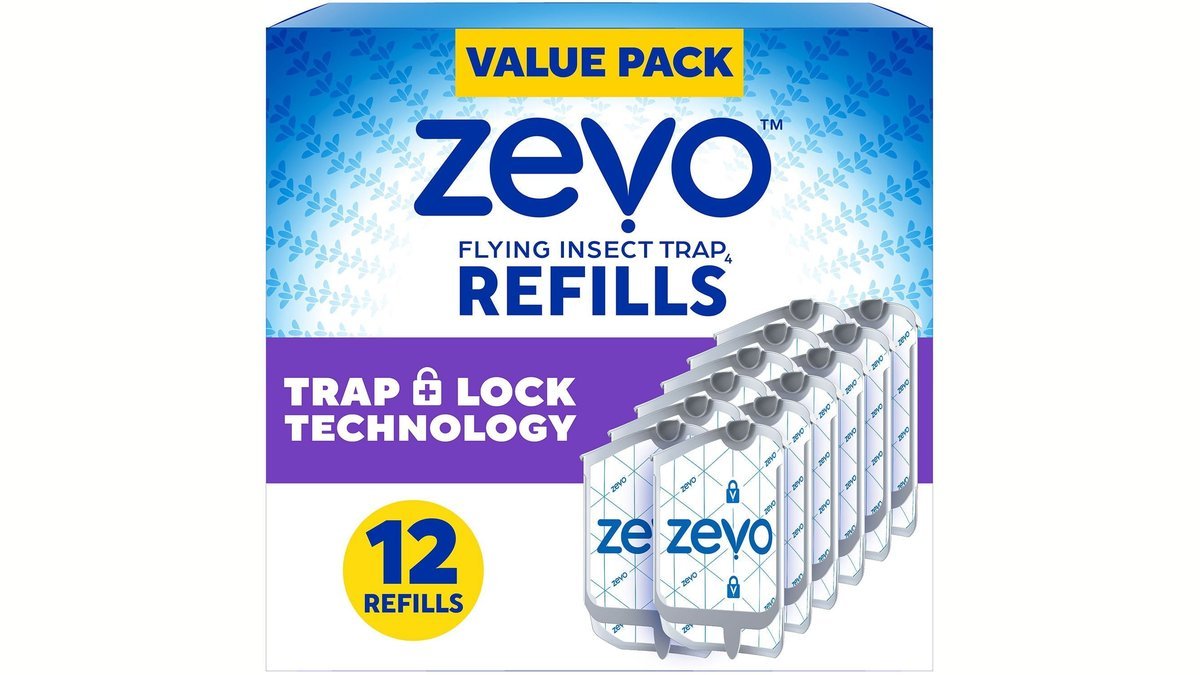
The zevo flying insect trap refill cartridges review shows they’re essential for maintaining the continuous light-based attraction system, as each unit lasts approximately 45 days depending on local insect pressure. These refills are proprietary, meaning you can’t use third-party sticky pads with the device’s light housing. This guide covers how to identify when your cartridge is full, the correct way to handle the adhesive, and how to troubleshoot common issues with the trap’s light.
Understanding the Replacement System
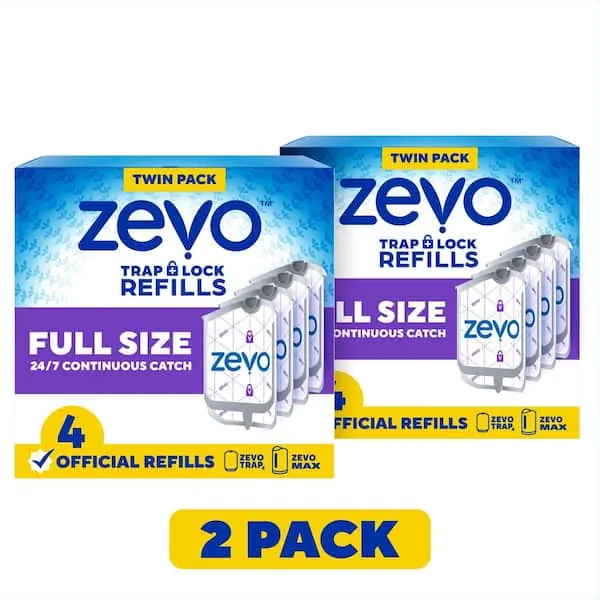
These refill cartridges serve as the primary capture mechanism for the trap. The device uses a specific light spectrum to draw in gnats, fruit flies, and house flies, which then become trapped on the adhesive surface of the cartridge. Because the trap relies on this sticky surface to physically hold the insects, it loses its effectiveness once the surface is covered with debris or dust.
The system is designed for indoor use only. It isn’t intended for outdoor patios or garages where humidity and high insect volume might overwhelm the adhesive in just a few days. The most common misconception is that the light alone kills the insects; in reality, the light is only a lure.
The Environmental Protection Agency notes that light traps are effective for monitoring and control, provided they’re placed in areas where insects naturally congregate. If you place the trap in a dark corner away from the source of the flies, it won’t work regardless of how fresh the cartridge is.
Replacing Your Insect Trap Cartridges
Follow these steps to safely swap your old cartridge for a new one without making a mess or damaging the trap’s light housing.
- Unplug the device from the wall outlet to prevent any electrical interference while you handle the unit.
- Allow the device to cool for 5 minutes, as the light housing can become warm during continuous operation.
- Grip the sides of the old cartridge firmly and pull it straight out of the base; don’t twist it, as this may snap the plastic tabs.
- Peel the protective paper backing off the new cartridge to expose the fresh adhesive surface.
- Slide the new cartridge into the base until you feel a distinct click, confirming it’s locked in place.
- Plug the device back into the wall and verify the blue light turns on immediately.
The success of this process depends on your placement. If you install a fresh cartridge but place the device near a window or high-traffic door, the trap will compete with natural light or wind currents. Always place the trap in a low-light area near the source of the infestation for the best results. If you have concerns about electrical safety or damage to your wall outlet, consult a licensed electrician before continuing to use the device.
Key Figures for Replacement
| Situation | What to use | How long | What to watch for |
|---|---|---|---|
| Standard household | Single refill | 45 days | Visible surface coverage |
| Heavy infestation | Single refill | 14-21 days | Dead insect buildup |
| Dusty environment | Single refill | 30 days | Grey dust coating |
| High humidity area | Single refill | 30 days | Reduced stickiness |
| Seasonal fruit flies | Single refill | 45 days | Total surface saturation |
These intervals assume a standard home environment with average insect activity. If you live in a climate with year-round activity, check the cartridge every 30 days.
Tips for Better Results
Experienced users know that the secret to success isn’t just the cartridge, but the environment you create for the trap. They prepare by clearing away open food sources, such as overripe fruit or trash, which prevents new flies from breeding faster than the trap can catch them. They work in a specific order: clean the area, replace the cartridge, then move the trap to a dark, quiet corner.
Partway through the 45-day cycle, take a moment to look at the trap. If the adhesive is covered in dust, it won’t catch flies even if it isn’t full. Experienced users often use a soft, dry cloth to gently wipe any dust off the plastic housing of the trap itself, but they leave the adhesive alone. Never touch the sticky surface with your fingers, as the oils from your skin will make the glue less effective at catching insects.
Troubleshooting Common Issues
| What you notice | What it usually means | What to do first |
|---|---|---|
| Light doesn’t turn on | Power failure | Check your wall breaker |
| No flies caught | Poor placement | Move closer to the source |
| Cartridge falls out | Improper seating | Re-insert until it clicks |
| Sticky residue on skin | Accidental contact | Use vegetable oil to clean |
If the light flickers, verify the wall outlet is secure. A loose connection causes intermittent power, which prematurely degrades the internal LED driver. If the outlet is tight but the flickering persists, the internal electronics have likely reached their end of life.
Stop using the device immediately if you smell burning plastic or hear a faint buzzing sound. These signs indicate a failing capacitor, which poses a fire risk if left plugged in. Don’t attempt to open the casing to bypass these issues, as the high-voltage components remain dangerous even when disconnected.
If the unit is within the warranty window, contact the manufacturer with your proof of purchase. If the warranty has expired, the unit must be recycled as electronic waste. Never try to solder internal components, as the plastic housing is permanently sealed to maintain safety ratings. When in doubt, prioritize your home’s electrical safety over the cost of a replacement unit.
Regulations and Safety
The device operates under standard household electrical safety guidelines. It’s designed to be used in a standard 120-volt wall outlet. Never attempt to modify the plug or use the trap with an extension cord that isn’t rated for indoor small-appliance use, as this can create a fire hazard.
If you have pets or small children, keep the trap in an area that isn’t easily accessible. While the adhesive isn’t toxic, it’s very sticky and can be difficult to remove from fur or fabric. If contact occurs, use a small amount of vegetable oil to break down the adhesive bond before washing the area with mild soap.
Always follow the specific instructions provided by the manufacturer regarding the disposal of used cartridges. Never attempt to reuse a saturated cartridge, as it will no longer be effective at capturing insects.
This prevents moisture buildup from affecting the electrical contacts. Check the manual for specific mounting heights if your floor surfaces are prone to frequent wet mopping.
Maintaining the Trap Performance
Once you have set up your trap, keep it plugged in 24 hours a day. The light is the primary attractant, and turning it off at night prevents the trap from catching insects that are active in the dark. You don’t need to clean the trap itself unless you notice a buildup of dust around the air vents.
If you need to store the trap for a long period, remove the cartridge and store the device in a cool, dry place. The cartridges themselves should remain in their sealed packaging until you’re ready to use them.
If you store an opened cartridge, the adhesive will dry out and lose its ability to capture insects. When the adhesive looks dull or feels less tacky to the touch, it’s time to replace it regardless of how many insects are currently stuck to it.
When to Switch Strategies
This trap is designed for flying insects that are attracted to light, such as fruit flies and gnats. If you have an infestation of ants, cockroaches, or spiders, this method won’t work, as these pests don’t respond to the light lure. In these cases, you should switch to baits or traps specifically designed for crawling insects.
If the number of flying insects doesn’t decrease after two weeks of using the trap, you likely have a breeding source, such as a clogged drain or a hidden food source. The trap will catch the adults, but it can’t stop the life cycle.
A simple test determines if your source is external or internal. Place a piece of clear tape over your sink or floor drains overnight. If you find insects stuck to the tape in the morning, you have identified your primary breeding site.
If you can’t find the source after a thorough inspection of all drains and pantry shelves, contact a professional pest control service. Attempting to manage a deep-seated infestation with light traps alone often results in a perpetual cycle of re-emergence that wastes both time and money.
Frequently asked questions
Can I reuse the sticky cartridges?
No, you can’t reuse the cartridges once they have been used. The adhesive is designed to hold insects permanently, and attempting to clean or reuse the surface will destroy its sticky properties. Always use a fresh cartridge to ensure the trap remains effective at catching pests throughout the 45-day cycle.
How do I know when the cartridge is full?
You know the cartridge is full when the visible adhesive surface is covered with insects or dust. If you see that more than 75% of the surface is obscured, the trap will no longer be effective. Replace it as soon as you notice this coverage to maintain consistent protection in your home.
Is it safe to leave the trap on all night?
Yes, it’s safe to leave the trap on all night, and doing so is recommended for the best results. The light is specifically designed for continuous, low-energy use. Leaving it on ensures that the trap remains a constant lure for insects that are active during the evening hours.
What happens if the adhesive gets on my skin?
If the adhesive gets on your skin, you can easily remove it by rubbing the area with a small amount of vegetable oil or baby oil. The oil breaks down the bond of the adhesive, allowing you to wash it away with soap and water. Never use harsh solvents or chemicals on your skin.
How long does one cartridge last?
One cartridge lasts approximately 45 days in a standard indoor environment. This estimate assumes the trap is placed in a low-light area away from drafts and direct sunlight. If your home has a high volume of insects or significant dust, the cartridge may need to be replaced sooner than the 45-day mark.
Why is my trap not catching any flies?
The most common reason a trap doesn’t catch flies is improper placement. If the trap is hidden behind furniture or placed in a room where insects don’t gather, it won’t be effective. Move the trap to a location closer to the source of the flies, such as the kitchen or near houseplants.
Conclusion
Keeping your home clear of pests doesn’t have to be a chore. Since these cartridges are easy to swap, you’ll find it’s simple to stay ahead of seasonal bug spikes. Just keep a spare pack in your utility drawer, and you won’t have to worry about an unexpected swarm catching you off guard.