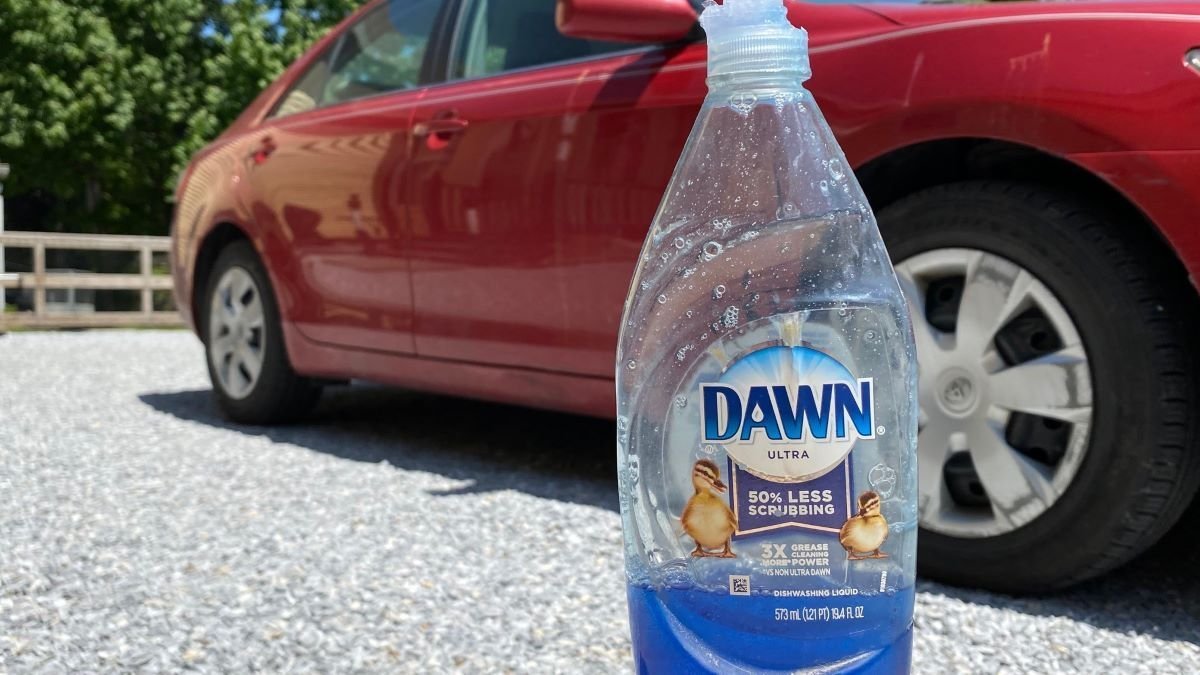
While you technically can use dish soap to wash your car in an emergency, it’s highly inadvisable for regular maintenance because it’s formulated to strip grease, which simultaneously strips away the vital protective layers of your vehicle’s finish. Household detergents are chemically aggressive, designed to break down organic fats and food oils on plates, but this same intensity acts like a chemical solvent on automotive wax, sealants, and ceramic coatings. Over time, frequent use of dish soap leaves your paintwork vulnerable to oxidation, environmental fallout, and ultraviolet radiation, potentially dulling the clear coat and leading to premature aging of exterior trim and rubber seals.
Key Takeaways
- Dish soap acts as a degreaser that removes your vehicle’s protective wax or sealant layers.
- Automotive-specific shampoos are pH-balanced to clean without stripping existing paint protection.
- Using household soap frequently causes the clear coat to oxidize and lose its natural gloss.
- Proper car wash technique, including the two-bucket method, is more important than the soap brand.
- Always rinse your car thoroughly to prevent soap residue from leaving water spots or streaks.
Can I Use Dish Soap to Wash My Car?
The short answer is that while dish soap will effectively remove surface dirt, it’s a “nuclear option” for your car’s finish. Automotive manufacturers design paint systems to withstand specific pH levels, and dish soaps often fall outside the neutral range required to maintain wax integrity.
When you wash your car with dish soap, you’re essentially performing a “strip wash.” While professional detailers do sometimes use dish soap intentionally when they plan to perform a full paint correction and re-application of a high-end sealant, doing this on a routine basis will leave your paint “naked” and unprotected.
Warning: Using dish soap on a matte finish or a vehicle with a high-end ceramic coating is particularly dangerous, as it can cause uneven spotting or degrade the hydrophobic properties that keep the car cleaner for longer.
The Chemistry of Automotive Paint Protection
To understand why dish soap is problematic, you must understand the role of automotive wax and sealants. These products are designed to sit on top of the clear coat, creating a sacrificial barrier that absorbs the brunt of bird droppings, tree sap, and road grime.
Dish soap is specifically engineered by chemists to be a surfactant that breaks the molecular bond between grease and a plate. When applied to your car, it doesn’t distinguish between the dirt on the surface and the wax underneath; it emulsifies both and washes them away.
| Component | Dish Soap Effect | Car Shampoo Effect |
|---|---|---|
| Protective Wax | Strips completely | Preserves integrity |
| Clear Coat | Can dry it out | Maintains hydration |
| Rubber Seals | May cause cracking | Keeps them supple |
| Surface Dirt | Removes effectively | Removes effectively |
Why pH Balance Matters for Paint
The pH scale measures how acidic or alkaline a substance is, with 7 being neutral. Most high-quality car shampoos are formulated to be pH-neutral, ensuring that they lift dirt through lubrication rather than chemical degradation.
Household dish soap is often slightly alkaline, which is necessary to break down heavy food grease. This alkalinity is the primary culprit behind the dulling of paint finishes. When the pH is too high, it can etch into the finish over time, leading to microscopic pitting that makes the surface feel rough to the touch.
Pro Tip: If you absolutely must use dish soap because you have no other options, do so only once and follow up immediately with a high-quality spray wax or paint sealant to replace the protection you stripped away.
The Two-Bucket Method Explained
Regardless of the soap you choose, the physical act of washing is where most paint damage occurs. Swirl marks—those tiny, circular scratches visible in direct sunlight—are almost always caused by dragging dirt across the paint surface with a dirty wash mitt. The two-bucket method is the industry standard for preventing this.
You fill one bucket with your soap solution and a second bucket with plain, clean water. After every pass on a panel of the car, you rinse your mitt in the clear water bucket to dislodge particles before dipping it back into the soap.
Recommended Washing Tools
- Microfiber wash mitts (gentler than sponges)
- Two 5-gallon buckets with grit guards
- High-quality car wash shampoo
- Plush microfiber drying towels
- Dedicated wheel cleaning brush
Selecting the Right Cleaning Products
When shopping for cleaning supplies, look for products labeled as “pH-neutral” or “wax-safe.” These formulas use advanced surfactants that encapsulate dirt particles and lift them away from the paint, allowing you to rinse them off without scrubbing. Many modern shampoos also contain “gloss enhancers” or “polymers” that add a thin layer of shine during the wash process, providing a temporary boost to your vehicle’s appearance.
| Product Type | Typical Price Range | Best Used For |
|---|---|---|
| Entry-level Shampoo | $8.00 – $15.00 | Weekly maintenance |
| Premium Wash & Wax | $16.00 – $25.00 | Adding shine while washing |
| Ceramic Infused Soap | $20.00 – $40.00 | Boosting existing coatings |
How to Properly Rinse Your Vehicle
A common mistake is failing to rinse the vehicle thoroughly enough before and after soap application. A thorough pre-rinse is essential to remove loose debris like sand and dried mud. If you skip this, the soap will turn that debris into an abrasive paste that acts like sandpaper when you move your wash mitt across the body panels.
According to the United States Environmental Protection Agency, washing your vehicle on a lawn or using a professional car wash system can help capture pollutants and detergents before they reach storm drains.
The Rinsing Process
- Start at the roof and work your way down to the tires.
- Use a gentle spray setting to avoid driving dirt into the paint.
- Ensure all soap suds are removed from crevices, door jambs, and mirrors.
- Use a leaf blower or high-quality microfiber towel to dry the car immediately to prevent water spots.
The Dangers of Dish Soap Residue
If you use dish soap, the risk of leaving behind a film is higher than with specialized automotive products. Dish soap is designed to leave dishes “squeaky clean,” meaning no residue that might affect food taste.
On car paint, this “squeaky” feeling is actually a sign that the oils and waxes that provide a smooth, slick surface have been removed. This lack of slickness increases friction, making the paint more susceptible to attracting new dust and dirt faster than a properly waxed vehicle would.
Maintaining Your Vehicle’s Exterior Finish
Beyond washing, maintaining your finish involves a regular cycle of decontamination and protection. Once every three to six months, you should perform a more intensive deep clean, which may include using a clay bar to remove embedded contaminants.
Following this with a synthetic sealant or a natural carnauba wax will keep the paint protected against the elements. If you use dish soap, you’re essentially forcing yourself to perform these intensive steps much more frequently than necessary, which can eventually thin the clear coat.
Frequently Asked Questions
Is dawn dish soap safe for cars?
Dawn is a powerful degreaser, which makes it effective at removing old wax, but it isn’t safe for regular car washing. It will strip away all protective layers, leaving your clear coat exposed to harmful UV rays and contaminants. Only use it if you’re preparing to strip old wax intentionally before performing a deep paint correction or applying a fresh sealant.
Does dish soap cause rust?
Dish soap itself doesn’t directly cause metal to rust, but it removes the protective barriers—like wax and sealants—that prevent moisture and salt from reaching the metal body panels. By stripping these layers, dish soap indirectly makes your car more susceptible to oxidation and corrosion over time. Always ensure your car is protected with a high-quality sealant to prevent rust.
Can I use dish soap on wheels?
While wheels are often dirtier than the body, using dish soap on them is also discouraged. Wheels are frequently coated with clear coats or specialized finishes that can be dulled by harsh detergents. Furthermore, dish soap is rarely strong enough to remove embedded brake dust, which requires specialized iron-dissolving wheel cleaners to remove safely without damaging the finish of the alloy.
What should I use instead of dish soap?
You should use a dedicated automotive shampoo. These products are formulated to be gentle on paint while providing enough lubrication to safely lift dirt. Many reputable brands like Meguiar’s, Chemical Guys, or Adam’s Polishes offer affordable, pH-balanced formulas that are designed specifically to clean automotive surfaces without stripping the wax or sealant layers that protect your investment.
How often should I wash my car?
For the best results, you should wash your vehicle every two weeks. This prevents the buildup of environmental contaminants like bird droppings, tree sap, and road salt, which can etch into the paint if left for too long. If you live in an area with high pollution or near the ocean, you may need to wash your car more frequently to prevent long-term damage.
Conclusion
To keep your car looking showroom-new, invest in a dedicated automotive wash kit that includes a high-quality pH-balanced shampoo, a soft microfiber mitt, and a drying towel. By avoiding household detergents and adopting a consistent two-bucket washing routine, you’ll preserve your paint’s original luster and minimize the need for expensive professional detailing services in the future.