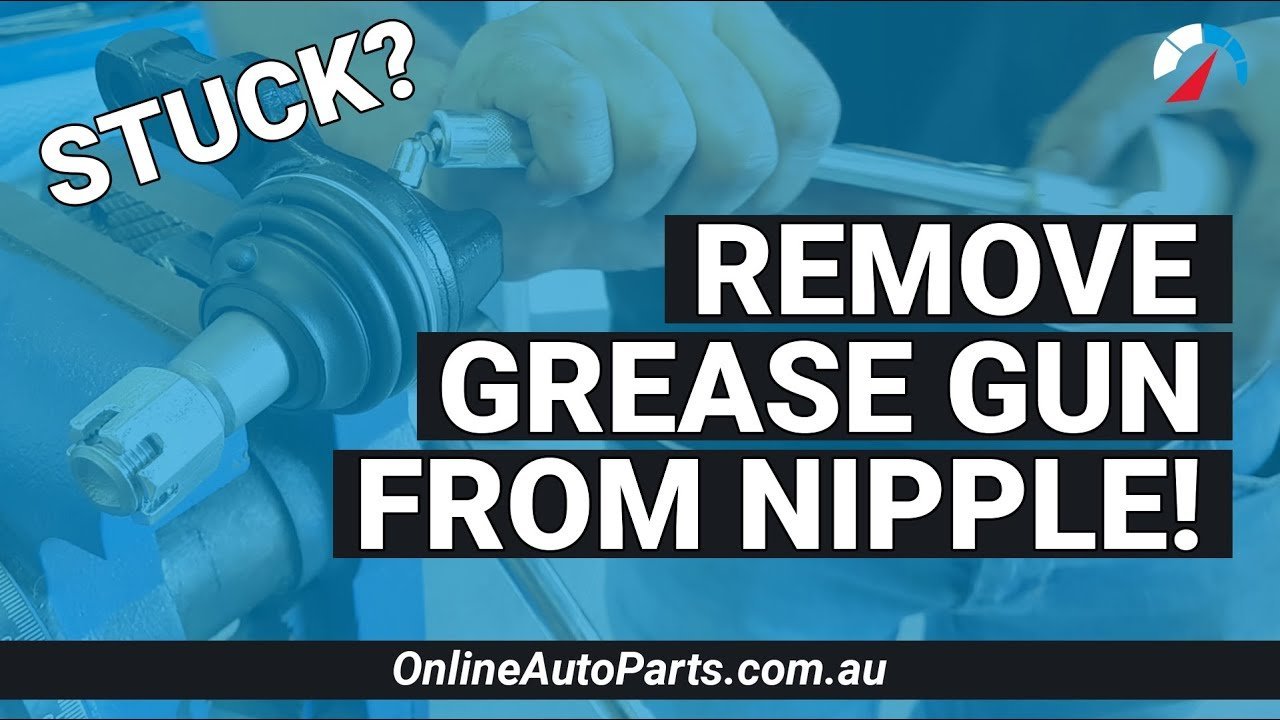
To release a stuck coupler, you must relieve the pressure by slightly loosening the fitting or by using a specialized release tool, as removing a grease gun nozzle is often a matter of managing trapped hydraulic force. This problem most often happens when internal pressure builds up after you finish pumping. If you can’t pull the coupler off, don’t force it, as you might break the grease zerk or the nozzle.
Why the grease gun gets stuck on the fitting
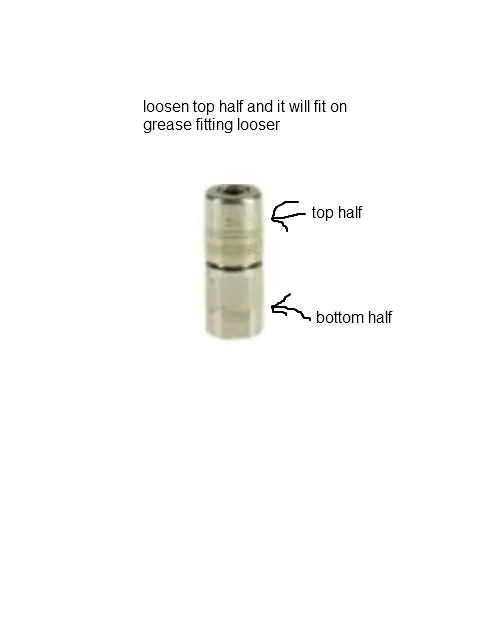
The primary reason a coupler stays attached to a zerk fitting is residual pressure trapped inside the hose and the coupler head. When you pump grease into a joint, the system creates a high-pressure seal between the coupler jaws and the fitting. If you stop pumping but the check valve in the zerk fitting doesn’t close immediately, or if the hose remains pressurized, the jaws stay locked tight around the zerk head.
Another common cause involves the alignment of the coupler itself. If the coupler is tilted even slightly while you try to pull it off, the internal jaws will bite into the neck of the fitting instead of releasing. The metal jaws are designed to grip harder when pulled at an angle. This creates a mechanical lock that prevents the coupler from sliding off, even if the pressure is low.
Finally, some fittings are simply too large or have a slightly different geometry than your specific coupler. If the zerk fitting is slightly oversized or has a damaged head, the coupler jaws can’t retract far enough to clear the flare.
You can verify the compatibility of your fittings by checking the Society of Automotive Engineers standards for lubrication fittings, which define the precise dimensions for standard zerk heads. If your fitting exceeds these dimensions, it will always be difficult to remove.
Loosen the fitting to release pressure
If the coupler is locked tight, you can often release it by slightly unscrewing the zerk fitting from the machine. Use a small wrench to turn the zerk counter-clockwise by about a quarter or half turn. This tiny gap allows the trapped grease to bleed out, which instantly drops the internal pressure and lets the jaws relax.
This method is best for heavy machinery where you have easy access to the fitting base. If the grease gun hose remains rigid and unyielding even after the pressure drop, the check ball inside the fitting is likely seized. In this case, don’t force the coupler further; simply replace the fitting entirely to avoid snapping the threads.
If you’re working in a tight spot, you might not have room for a wrench. Never try to unscrew the fitting if it’s recessed deep inside a housing, as you could lose the fitting or damage the surrounding parts. Once the coupler pops off, remember to tighten the zerk fitting back down until it’s snug. Failing to reseat the fitting allows dirt to enter the bearing, which will cause premature component failure.
Use a pressure relief coupler
If you find yourself struggling with stuck couplers often, you may want to upgrade to a pressure-relief coupler. These models feature a thumb-operated lever on the side that physically forces the jaws to open, regardless of how much pressure is trapped in the line. You simply press the lever, and the coupler slides off the fitting without any need to pull or wiggle.
This is the most reliable way to prevent the problem if you use your grease gun daily. If you find that the coupler remains stuck even after engaging the release lever, you have likely over-pressurized the grease cavity. In this case, slightly loosen the zerk fitting with a wrench to bleed the internal pressure before attempting to remove the coupler again.
These couplers are larger than standard ones and might not fit into cramped spaces around suspension joints or small bearings. If you have less than two inches of clearance, stick with a standard coupler and focus on keeping your technique straight. If you have to use a hammer to knock a standard coupler off, you’re likely damaging the zerk fitting. This damage ruins the seal, leading to premature grease leakage and eventual bearing failure.
Rotate the coupler to align jaws
Sometimes, the simplest fix is to stop pulling straight back and start rotating the coupler while applying light pressure. By twisting the hose left and right while pulling, you encourage the internal ball bearings or jaws to find the release position. This works best when the issue is a mechanical jam rather than trapped high pressure.
If you’re using a rigid metal extension, you have less leverage than with a flexible hose. With a rigid tube, you should try to rock the gun side-to-side rather than pulling straight out. This lateral movement helps the jaws slide over the head of the zerk fitting.
If the coupler still doesn’t release after thirty seconds of gentle rocking, stop. You’re likely putting too much stress on the zerk fitting, which can snap off inside the machine part. A broken zerk fitting forces a difficult drill-and-tap repair that costs hours of downtime.
If the connection remains stubborn, go back to the pressure relief method by loosening the fitting itself. If you feel the coupler tilting but not detaching, you’re in a mechanical jam. If the coupler feels completely rigid, you’re fighting hydraulic pressure.
Common mistakes to avoid
Pulling straight back with force tightens the jaws against the fitting, often snapping the zerk head off entirely. If you feel resistance, stop immediately. Instead, tilt the coupler slightly to one side to break the seal before pulling away.
Using pliers on the coupler body dents the thin metal casing. This deformation binds the internal spring, rendering the tool useless. If the coupler sticks, apply a light penetrating oil rather than physical force.
Leaving the gun pressurized creates a hydraulic lock that makes disconnection nearly impossible. Always engage the bleed valve on your hose or handle before attempting to remove the tool. If your model lacks a valve, loosen the hose connection at the gun base by one-quarter turn to vent trapped pressure.
Forcing the coupler at an angle damages the internal jaws. Keep the tool perfectly square to the fitting to allow the jaws to slide off smoothly. If the coupler remains stubborn, check for debris inside the nozzle.
Stop the problem from returning
To keep your equipment running, you need to manage how you connect and disconnect from the start. If you’re doing this, do this instead, and you’ll save your fittings and your time.
| If you’re doing this | Do this instead | Why |
|---|---|---|
| Pumping until the handle is hard | Stop just before the joint feels full | Excess pressure causes the lock |
| Pulling the gun off at an angle | Pull straight back along the axis | Angling jams the internal jaws |
| Using a worn-out coupler | Replace the coupler jaws | Worn jaws lose their release tension |
| Ignoring a bent zerk fitting | Replace the fitting immediately | A bent zerk will always jam |
Most operators mistakenly assume that force is the only way to break a stubborn seal. If the coupler remains stuck after you pull straight, don’t yank harder. Instead, rotate the coupler slightly while applying light, steady pressure to realign the internal jaws. If you feel resistance, stop immediately to avoid stripping the threads.
You can tell if the issue is the coupler or the fitting by checking for a visible gap. If the coupler sits flush against the zerk, the internal spring has failed. If there’s a visible gap, the zerk is likely clogged with debris. Applying a small amount of penetrating oil to the joint before you begin can prevent this cycle of seizing entirely.
Frequently asked questions
Can I use a hammer to knock the coupler off?
Never use a hammer to force a grease coupler off a fitting, as this will likely snap the zerk fitting off inside your machine. If the coupler is stuck, it’s almost always due to trapped pressure. Use a wrench to loosen the zerk fitting slightly to bleed the pressure and allow for safe removal.
How long should a grease coupler last?
A high-quality grease coupler typically lasts for several hundred connections, depending on usage frequency and environmental cleanliness. If you notice grease leaking from the sides while pumping, the internal rubber seal or jaws are likely worn out. Most professionals replace their couplers annually if they use them daily to ensure a tight, easy seal.
Is it safe to leave the grease gun attached?
Never leave a grease gun attached to a fitting after you finish pumping. If the machine moves while the gun is attached, the hose could be ripped off or the fitting torn out of the housing. If you find the coupler is too difficult to remove, address the pressure issue immediately rather than leaving the tool connected.
What happens if the zerk fitting snaps off?
If a zerk fitting snaps off, the threaded base will remain stuck inside the lubrication port and require a zerk extraction tool or left-handed drill bit to remove. This is a common but frustrating repair. To avoid this, never use excessive force when pulling a stuck coupler off the fitting, and ensure your coupler is straight.
Why does my grease gun leak while pumping?
Your grease gun leaks because the seal between the coupler and the zerk fitting isn’t tight enough to hold back the pressure. This is usually caused by worn-out jaws or a damaged rubber seal inside the coupler head. If cleaning the zerk fitting doesn’t stop the leak, the coupler needs to be replaced.
Conclusion
Always ensure that you’re using the correct type of grease for your specific equipment, as using the wrong viscosity can lead to excessive pressure buildup. Check your machine’s manual to verify the recommended grease type and the required lubrication intervals. Proper maintenance of the grease gun itself, including keeping the hose free of kinks and the coupler clean, will prevent most connection issues before they start.